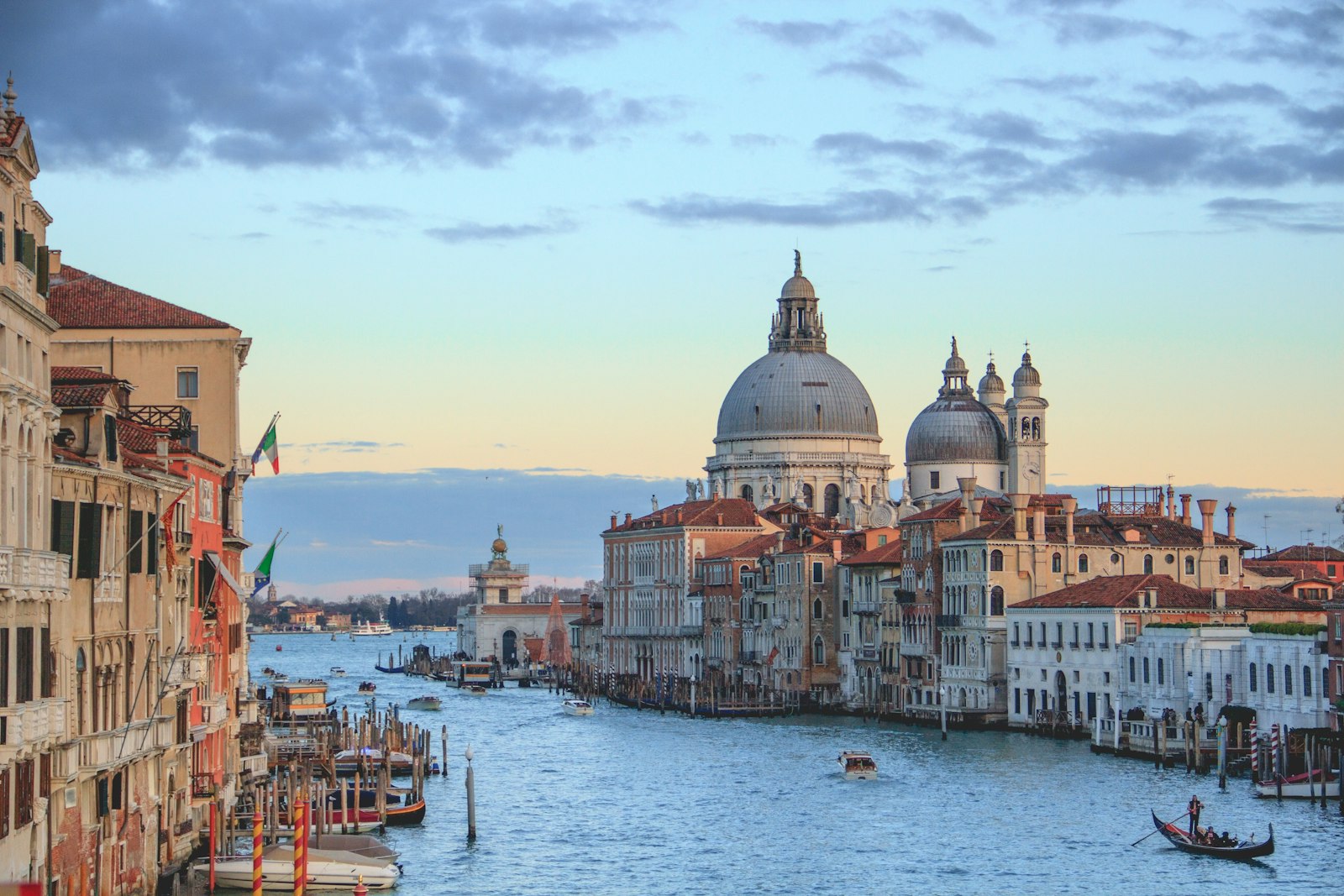
Where to start reading the city
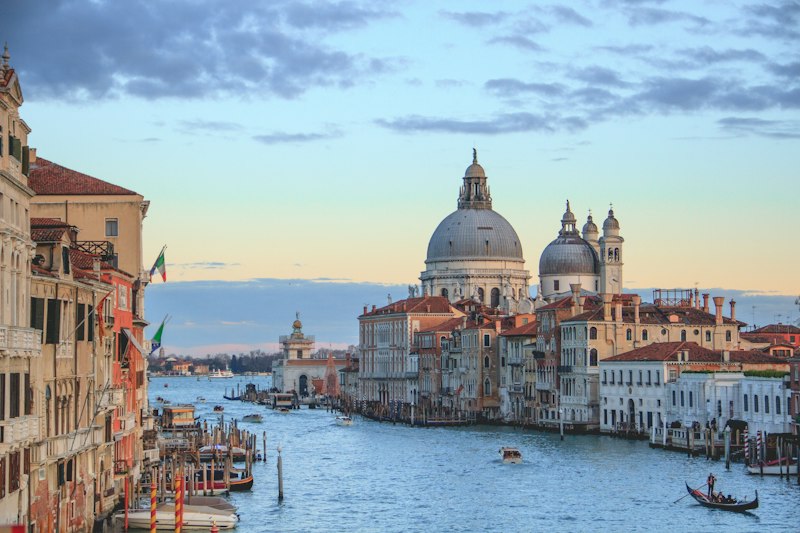


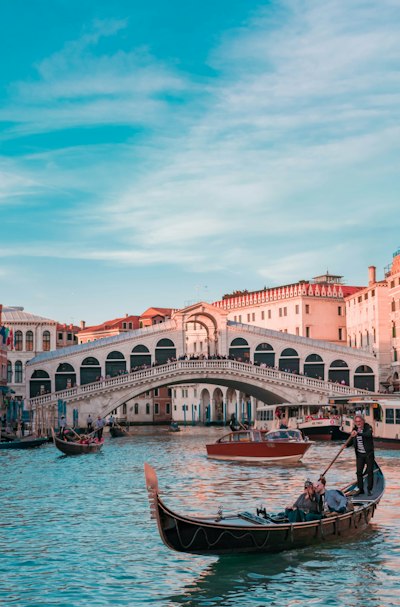
Venice is a love poem written on water. Gondolas glide through narrow canals, San Marco's bells shake the entire city, every boat passing under the bridges carries a different story. They say this city is sinking, but it has been floating for centuries.
A floating city, a sinking legend
Standing in San Marco Square, a millennium of architectural heritage surrounds you. The Basilica's golden mosaics, Doge's Palace's gothic elegance, Rialto Bridge's merchant past. Venice itself is a museum.
Watch glass-blowing mastery in a Murano workshop, get lost among Burano's colorful houses. During the Venice Biennale, the city becomes the world's art stage.
Cicchetti, spritz, and lagoon flavors
Venice's cicchetti is Italian tapas. Try baccalà mantecato, sarde in saor, polpette at the counter of bacari near Rialto market, with an Aperol Spritz.
Fresh seafood comes from the lagoon: seppia al nero (cuttlefish), risotto al nero di seppia. Eat fresh fish in Burano, have prosecco on the beach at Lido.
Neighborhoods and where to stay: Venice districts for every traveler
Each Venice neighborhood carries a different spirit. The San Marco area is touristy and expensive but iconic, where the city's heart truly beats, though noise and crowds are inevitable. Castello and Cannaregio offer quieter, more local, and budget-friendly alternatives with laundry hanging from balconies and fishermen cleaning their catch. Dorsoduro appeals to art lovers and intellectuals with its creative atmosphere. San Polo feels peripheral yet accessible. The lagoon islands (Murano, Burano) provide tranquility but work best as day trips. Your choice depends on your budget, desire for peace, and travel style.
How many days and how to explore: Optimal pace and itinerary flow in Venice
Venice deserves at least three days. Day one, shed jetlag and absorb San Marco Basilica's grandeur; stroll Grand Canal in the afternoon. Day two is for museums (the Accademia Gallery's Renaissance collection is incomparable) and wandering Dorsoduro for hours. Day three, start early at Rialto Market to see local fish and vegetables, then lose yourself in Cannaregio's quiet calle streets by afternoon. If a fourth day exists, take a boat to Murano and Burano. Once you've internalized the canals, you can explore ferry terminals and bridges without maps.
Food culture, budget, and practical tips: Smart traveler's guide to Venice
Venice's cuisine is the sea itself. Risi e bisi, seppie e polenta, moeche (soft-shell crabs) are local staples. Michelin-starred restaurants are magnificent but tourist traps. Cicchetti bars with small snacks at the counter and a spritz let you experience local life affordably. Within a 180-euro daily budget, cheap pizzerias, pasta shops, and cicchetti combinations work; buying market vegetables for your lodging is smart. A 7-day vaporetto pass is essential for navigation. Batteries and toiletries are pricier off-grid areas; bring them from Istanbul. Winter months (October-March) offer better prices and fewer crowds.
Venice travel FAQ
When is the best time to visit Venice?
The best months to visit Venice are Sep-Nov, Feb-Mar.
Do I need a visa for Venice?
Visa status for Venice (Italy): Visa required.
How long is the flight to Venice?
The flight from Istanbul to Venice takes about 2.5 hours.
What is the nightly budget for Venice?
Nightly accommodation in Venice is around €50-100 (Affordable).
Tours and activities
Where to stay
Real prices and availability in Venice neighborhoods, book directly.
How you get there
Default origin: Istanbul. Change in profile.