Where to start reading the city


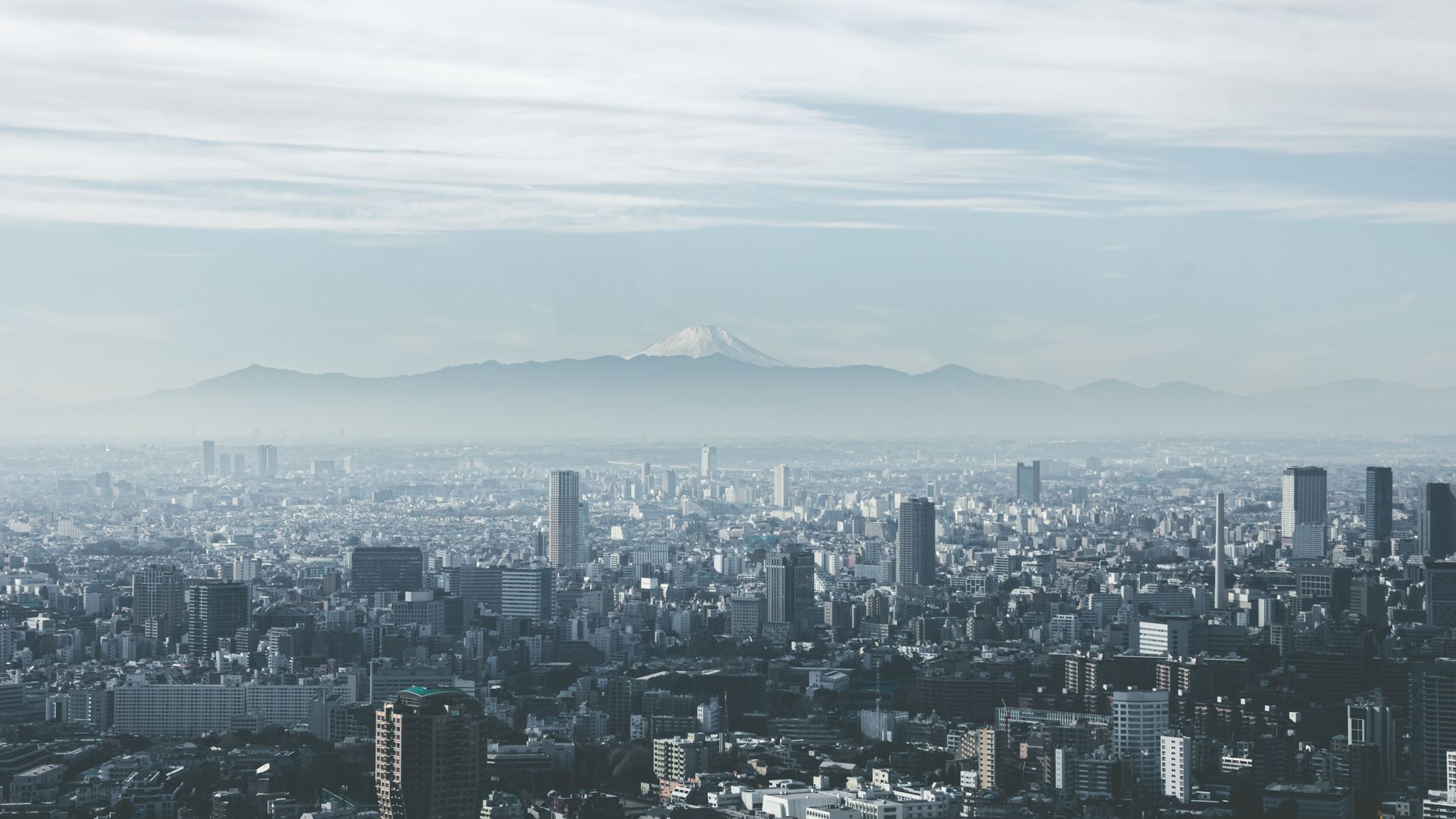

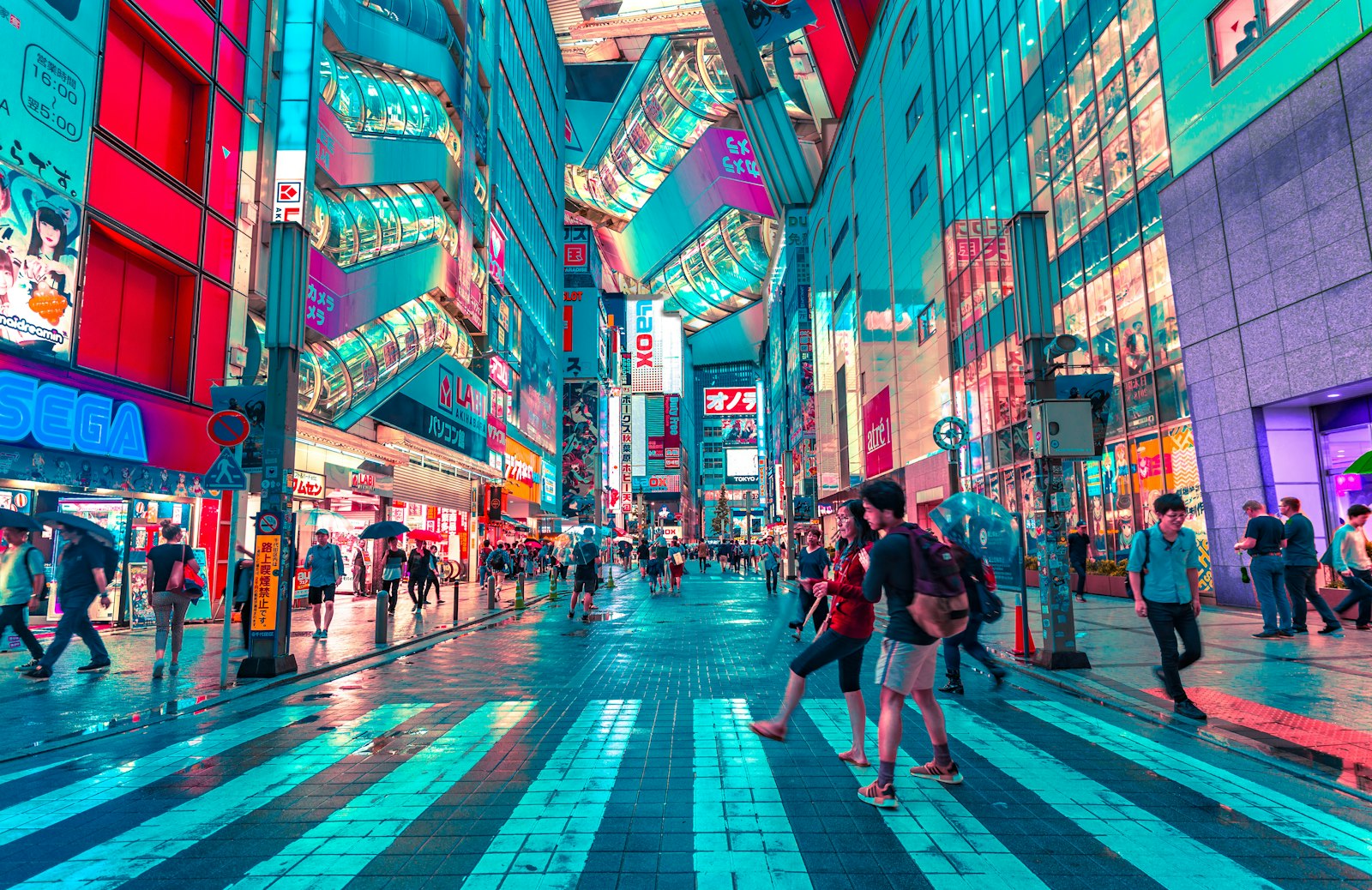
In Tokyo, the future and the past walk side by side on the same street. There are only five minutes between Shibuya's neon flood and Meiji Jingū's cedar forest. This city never stops surprising you, because it rewrites the rules around every corner.
Temple silence, neon thunder
You make a wish amid the incense smoke of Senso-ji in Asakusa, then ten minutes by metro you're in Akihabara's wild electronics world. Harajuku's cosplay culture and Ginza's elegant boutiques live in the same city.
Join a tea ceremony, watch a sumo training session, drink sake late at night in one of Golden Gai's six-seat bars. Each experience peels back another cultural layer.
The city with the most Michelin stars in the world
A ramen shop in the basement of a Tokyo train station can put any fine dining restaurant in the world to shame. You eat fresh sashimi at seven in the morning at Tsukiji's outer market, close the day with gyoza and beer at an izakaya in Shinjuku.
Food here is a craft. The sushi master counts each grain of rice, the ramen chef has been simmering the same broth for twenty years. Every bite is a lifetime's accumulation.
Neighborhoods and Where to Stay: Districts for Every Traveler
Each neighborhood in Tokyo carries its own character. Shinjuku pulses as the heart of entertainment with vibrant nightlife and shopping for night owls. Asakusa preserves traditional Japan with its ancient temple atmosphere and narrow lanes perfect for cultural explorers. Harajuku captivates fashion enthusiasts and youth culture seekers, while Ginza represents luxury and design. Ikebukuro suits families and budget-conscious travelers with a calmer vibe and excellent transit connections. Shimokitazawa appeals to those seeking artistic soul through small cafes and independent theaters. Akihabara remains the pilgrimage site for electronics enthusiasts. Your chosen neighborhood's geography determines exploration pace; central locations demand more walking while outer districts offer a leisurely rhythm.
How Many Days and How to Explore: Pace and Practical Flow
Five days is the minimum to grasp Tokyo's essence. Spend day one in Asakusa and Ginza, starting early to catch the temple's quiet hours. Day two combines Shinjuku's energy, Meiji Jingū's forest, and Harajuku's shopping streets in one circuit. Dedicate day three to museums and gardens, exploring the Imperial Palace grounds. Day four ventures into Ikebukuro and Shimokitazawa for art and relaxation. Use the final day for forgotten details, revisiting favorite neighborhoods, or nearby escapes. Starting each day at 8 a.m. and slowing by 6 p.m. preserves energy and avoids peak train congestion.
Food Culture, Budget, and Practical Tips
Tokyo's cuisine meets world standards while offering budget-friendly options. Ramen shops, conveyor belt sushi bars, and market-side cafes serve meals for 8-15 EUR. Kebab-style meals fall in similar ranges. While Michelin-starred restaurants are pricey, lunch menus cost half their dinner counterparts. Non-alcoholic drinks, water, and tea remain affordable and excellent. Restaurants closing by 8 p.m. offer better rates. Buying regional products from convenience stores and eating in your accommodation stretches budgets. Get a rechargeable transit card; unused balance isn't refundable but transfers are very cheap. March-May peak season inflates prices; November-December offers variable deals.
Tokyo travel FAQ
When is the best time to visit Tokyo?
The best months to visit Tokyo are Mar-May, Oct-Nov.
Do I need a visa for Tokyo?
Visa status for Tokyo (Japan): Visa-free.
How long is the flight to Tokyo?
The flight from Istanbul to Tokyo takes about 12 hours.
What is the nightly budget for Tokyo?
Nightly accommodation in Tokyo is around €80-160 (Moderate).
Tours and activities
Where to stay
Real prices and availability in Tokyo neighborhoods, book directly.
How you get there
Default origin: Istanbul. Change in profile.