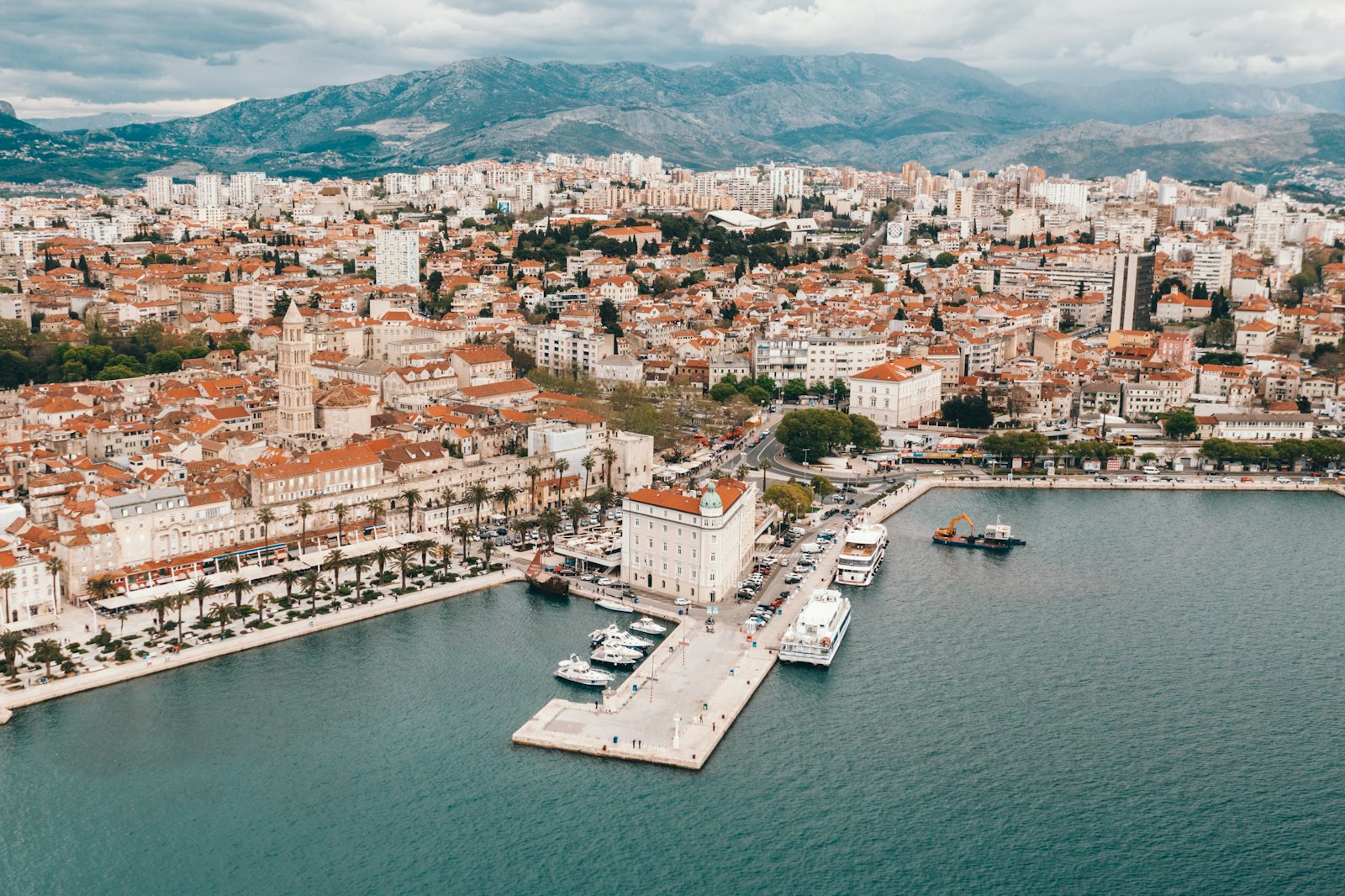
Where to start reading the city
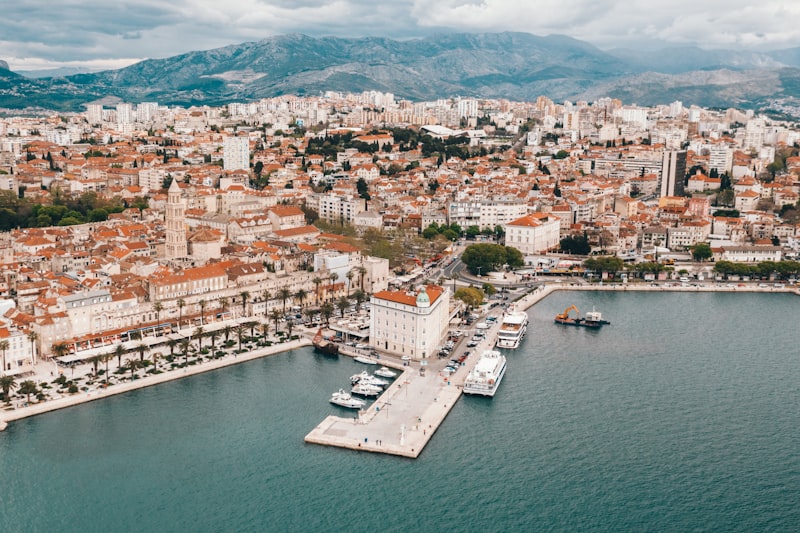


Split is Croatia's second city and the Adriatic's liveliest town. Modern life continues inside Diocletian's Palace, Riva waterfront offers Mediterranean leisure. Gateway to Hvar and Brač islands.
Life inside the palace
Diocletian's Palace is a 1,700-year-old Roman emperor's palace but people still live inside, shops open, restaurants full. Peristyle square is the city's heart. Cathedral built atop the emperor's mausoleum.
Sea-view hike on Marjan hill, coffee on Riva waterfront. Split has turned history into daily life.
Adriatic islands, blue caves
Hvar island has lavender fields and nightlife, Brač's Zlatni Rat beach is Croatia's most famous. Blue Cave on Biševo's turquoise light play is mesmerizing.
Krka Waterfalls day trip, swimming in natural pools. Split is the base for Adriatic adventures.
Neighborhoods and Where to Stay
Split's character changes by neighborhood. Vieux Port near Riva is the city's heart with shops and squares within walking distance, though crowded and pricey. Backpackers and young travelers prefer Varoš hillside, with narrow authentic streets, local bars, and budget-friendly options. Beach lovers should choose Bačvice waterfront, close to sand and diverse accommodation, but expect crowds in peak season. Centrale is family-friendly, a 15-minute walk from downtown. Areas near Marjan forest are peaceful and nature-oriented, though farther from the city. Budget travelers should stay central for hostels, while a good compromise is Varoš and its surrounding neighborhoods.
How Many Days and Travel Flow
Three to four days is ideal for Split. Day one: explore Diocletian Palace from morning, relax at Riva in afternoon, evening city walk. Day two: morning Marjan hill hike with forest and sea views, afternoon beach time (Bačvice or elsewhere). Day three: day trip to an island (Hvar or Brač) by organized tour or ferry, return for evening nightlife. Day four if available: underground chapels, museums, or rest. Start mornings early, take midday breaks, evenings are lively. In hot weather, afternoons are cooler in surrounding areas.
Food Culture and Practical Tips
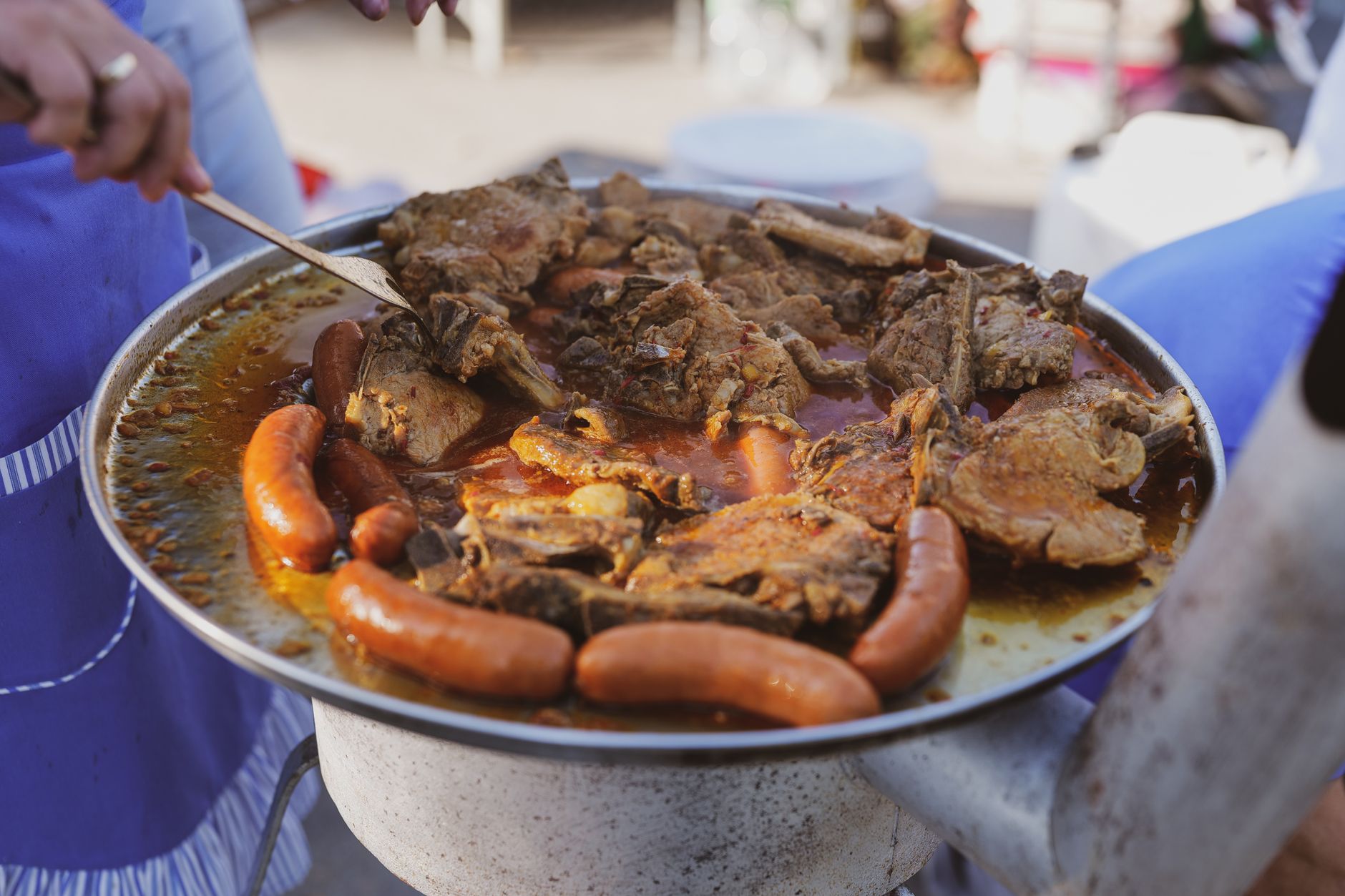
Dalmatian Adriatic cuisine centers on fish, seafood, and olive oil. Traditional specialties include cured ham, salted fish, and local wines (Plavac Mali, Vranac). Taverns outside tourist zones offer authentic local food at lower prices. With a daily budget of 100 EUR, you'll live comfortably: mid-range fish dishes cost 12-18 EUR, home-cooked meals 8-12 EUR, coffee 1-2 EUR. Visit the morning farmers market for fresh produce directly from vendors. Cards are accepted but small places prefer cash. Outside June-August, prices are more reasonable and crowds lighter.
Split travel FAQ
When is the best time to visit Split?
The best months to visit Split are May-Sep.
Do I need a visa for Split?
Visa status for Split (Croatia): Visa required.
How long is the flight to Split?
The flight from Istanbul to Split takes about 2 hours.
What is the nightly budget for Split?
Nightly accommodation in Split is around €50-100 (Affordable).
Tours and activities
Where to stay
Real prices and availability in Split neighborhoods, book directly.
How you get there
Default origin: Istanbul. Change in profile.