
Where to start reading the city


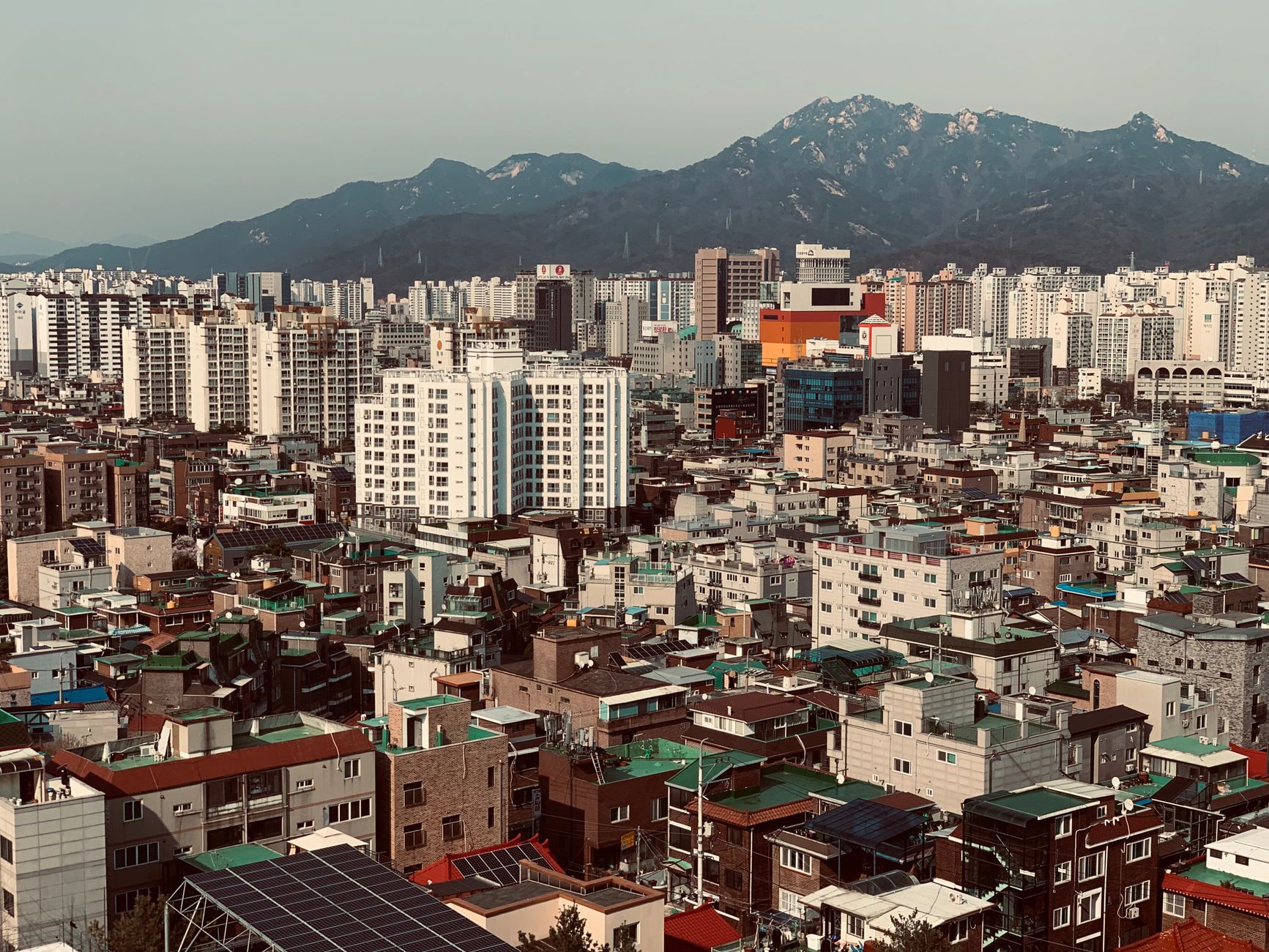


Seoul is a city where past and future dance together. K-pop's neon world beside five-hundred-year-old palaces, traditional hanbok alongside street fashion, jjimjilbang bathhouses beside robot cafes. This city tires you but never bores you.
Palaces, K-pop, and everything in between
Gyeongbokgung's hanbok-clad visitors take selfies in the palace courtyard, the guard-changing ceremony transports you centuries back. Walk among Bukchon's traditional hanok houses, then cross to Gangnam's skyscrapers.
Hongdae's indie music scene, Myeongdong's K-beauty shops, Itaewon's cosmopolitan bars. Seoul is not a city, it is a culture laboratory.
From Korean BBQ to street stalls, the language of fire
Korean cuisine begins with fire. At KBBQ you grill meat on your table's center grill, drink soju alongside, banchan plates keep coming endlessly. Try bindae-tteok (mung bean crepe) and mayak gimbap (addictive mini kimbap) at Gwangjang Market.
Chimaek culture (chicken + maekju/beer) is Seoul's evening ritual. Sitting by the Han River with fried chicken and beer watching sunset sums up the Seoul experience.
Neighborhoods Guide: Find Your Seoul District
Each neighborhood in Seoul tells a different story. Myeongdong and Gangnam are shopping paradise for luxury-seeking travelers, known for high-end fashion brands and premium prices. Hongdae is a haven for young artists, music enthusiasts, and budget-conscious visitors, stretching across independent cafes and galleries. Bukchon and Insadong house traditional ceramic workshops, antique shops, and hanbok cultural centers, attracting culture lovers. West of Gangnam, Apgujeong offers trendy restaurants and vibrant nightlife. Itaewon is the heart of the international community, perfect for diverse cuisine and nightlife seekers.
Four Days in Seoul: The Core Experience
Start your first morning watching the changing of the guard ceremony at Gyeongbokgung Palace, then wander through Bukchon's steep streets lined with hanbok-wearing tourists. Have lunch in Insadong with traditional bibimbap. Spend the evening exploring K-beauty products in Myeongdong. On day two, enjoy morning coffee in Hongdae, visit a museum in the afternoon, and try street food in the university district at night. Day three focuses on Gangnam shopping followed by a riverside walk along the Han. On day four, have a leisurely brunch, relax at a jjimjilbang spa, and do last-minute shopping near Incheon Airport before departure.
Seoul's Food Culture: Flavor and Practicality
Seoul's cuisine is a blend of bold spices, fermented flavors, and a philosophy against waste. Tteokbokki (spicy rice cakes), gimbap (rice rolls), and kimchi jjigae (kimchi stew) are beloved street foods found for under one euro. A full meal at a mid-range restaurant fits comfortably within the given budget; peak seasons (April-June, September-November) keep prices stable but crowds grow. A transportation card works not only for public transit but also for contactless payment at most cafes and small shops. While cash is sometimes preferred at dumpling restaurants and stalls, the city is card-dominant. Vegetarian visitors can take advantage of the abundance of tempeh and tofu products.
Seoul travel FAQ
When is the best time to visit Seoul?
The best months to visit Seoul are Apr-Jun, Sep-Nov.
Do I need a visa for Seoul?
Visa status for Seoul (South Korea): Visa-free.
How long is the flight to Seoul?
The flight from Istanbul to Seoul takes about 11 hours.
What is the nightly budget for Seoul?
Nightly accommodation in Seoul is around €80-160 (Moderate).
Tours and activities
Where to stay
Real prices and availability in Seoul neighborhoods, book directly.
How you get there
Default origin: Istanbul. Change in profile.