Where to start reading the city

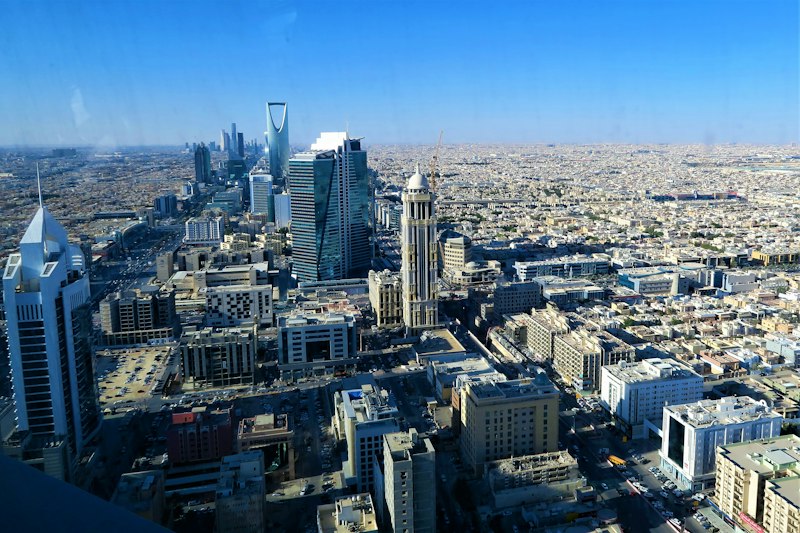


Riyadh is a rapidly transforming capital. Just twenty minutes separate Diriyah's UNESCO heritage mud-brick forts from Boulevard's neon courses. Vision 2030 is opening Saudi Arabia to the world, and Riyadh is the heart of this transformation.
Diriyah's roots, Boulevard's future
Diriyah's At-Turaif district is UNESCO-listed, birthplace of the Saudi state. Mud-brick walls, narrow streets, palm gardens. A thousand years of Arabian history at the National Museum.
Boulevard Riyadh City is the entertainment revolution with concerts and events. Day-trip flight to AlUla to see Hegra's Nabataean tombs. Riyadh boldly merges tradition with modernity.
Kabsa's aroma, Arabic coffee's ritual
Kabsa is Saudi cuisine's king: spiced rice topped with lamb or chicken. Jareesh (wheat dish), mutabbaq (layered pastry), dates and Arabic coffee start every table.
Diriyah's new restaurant district is reviving the fine dining scene. Tahlia Street's cafes, Al Murabba's traditional eateries. Riyadh is rapidly rising on the gastronomy map.
Neighborhoods and Accommodation: Riyadh for Every Traveler
Riyadh's geography offers different experiences depending on traveler type. Olaya district in the center appeals to business travelers and shopping enthusiasts, guaranteeing easy access and vibrant atmosphere. Northern neighborhoods like Malaz and Nakheel are quieter with green spaces and family-friendly settings. Areas near Diriyah suit history-interested visitors well. Southern zones provide local life observation with fewer tourists. Budget travelers find better options in central neighborhoods, while mid-range and luxury accommodations concentrate in northern areas. Each district reflects different aspects of the city's transformation, allowing visitors to choose environments matching their interests and comfort preferences.
Four Days in Riyadh: Pace and Practical Itinerary
Day one: after morning arrival, explore your neighborhood and enjoy lunch discovering local cuisine. Afternoon visits Diriyah's mud-brick palaces and restored streets, evening shows Boulevard's modern illuminated landscape. Day two focuses on museums, morning explores historical artifacts, afternoon contemporary art venues. Day three ventures outside the city for desert landscapes and fresh perspectives on Saudi nature. Day four completes the journey with shopping malls, traditional souks, and remaining points of interest. Start early each day and rest during midday heat. This rhythm balances cultural immersion, modern discovery, natural experience, and practical shopping while respecting the desert climate's demands.
Food Culture, Budget and Practical Tips
Riyadh's cuisine reflects Arab tradition's richness; kabsa, mansaf, and fresh grilled meats are culinary art forms here. Eating at local wooden corners or traditional establishments costs significantly less than tourist restaurants while offering authenticity. Daily 150 euro budget accommodates comfortable lodging and at least two quality meals. Arabic coffee and dates represent free hospitality gestures nearly everywhere. Contactless payment is widespread; carrying cash suffices but cards are universally accepted. October through March sees higher prices, while late November offers better rates. Local markets, tradesman quarters, and home-cooked food venues provide budget-friendly options. Learning a few Arabic phrases enhances both experiences and local connections, enriching the culinary journey considerably.
Riyadh travel FAQ
When is the best time to visit Riyadh?
The best months to visit Riyadh are Oct-Mar.
Do I need a visa for Riyadh?
Visa status for Riyadh (Saudi Arabia): E-Visa.
How long is the flight to Riyadh?
The flight from Istanbul to Riyadh takes about 4 hours.
What is the nightly budget for Riyadh?
Nightly accommodation in Riyadh is around €50-100 (Affordable).
Tours and activities
Where to stay
Real prices and availability in Riyadh neighborhoods, book directly.
How you get there
Default origin: Istanbul. Change in profile.