Where to start reading the city

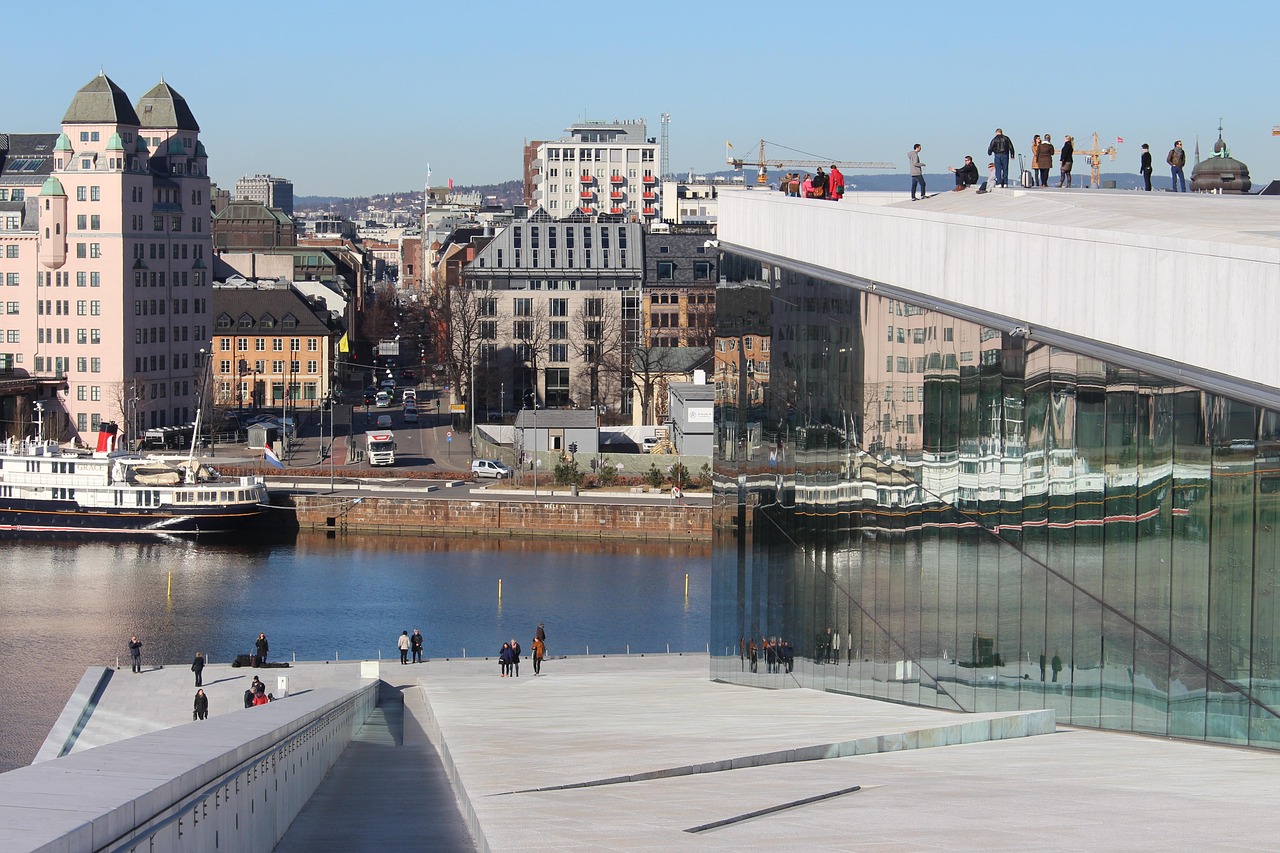


Oslo is a capital embraced by fjords and forests. Viking ships in museums, Munch's Scream in galleries, the opera house rising from the sea. Nature and culture meet in Scandinavia's most elegant city.
Viking heritage, Munch's passion
Viking Ship Museum's thousand-year-old ships' grandeur, MUNCH museum's Scream painting and 26,000 works. Walk on Oslo Opera's roof watching fjord views.
Over 200 sculptures at Vigeland Sculpture Park, medieval atmosphere at Akershus Fortress. Oslo carries culture quietly but deeply.
Fjords, forests, winter magic
Summer boat tour on Oslofjorden, winter ice skating. Nordmarka forest within the city for hiking and skiing. Holmenkollen ski jump tower offers 360° panorama.
Museums and beaches side by side at Bygdøy peninsula. Oslo brings nature to your doorstep.
Neighborhoods and Where to Stay
Oslo's character varies by neighborhood. Grünerløkka appeals to young travelers and design enthusiasts with vintage shops, cafes, and an alternative art scene. Frogner and Bygdøy suit families and those seeking comfort, with museums and parks nearby. Sentrum offers central accommodation but at higher prices. St. Hanshaugen provides budget lodging and hostels for adventurous travelers. Tøyen, near the National Museum and open-air sites, attracts art and nature lovers. Akershus serves as an alternative for those avoiding old town premium rates. Each area connects efficiently via public transit, making neighborhood choice primarily about atmosphere and interests rather than accessibility.
How Many Days and Practical Route Planning
Four days offers an ideal pace for Oslo. Day one: spend the morning at the Viking Ship Museum and Norwegian Museum, then walk through Vigeland Sculpture Park in the afternoon. Day two: visit the National Gallery of Art and Munch Museum if art appeals to you, then relax at the Opera House watching the sea at sunset. Day three: take the cable car up Holmenkollen for panoramic views and historic Nordic heritage sites. Day four: revisit preferred neighborhoods or take a short Oslofjord boat tour. Trains, buses, and metro provide efficient city transport. A city card offers unlimited daily transit and museum discounts, making it practical for culture-focused itineraries.
Food Culture, Budget and Practical Tips
Oslo's cuisine centers on fresh fish, farm products, and Scandinavian minimalism. Open markets are ideal for affordable options and local flavors. Breakfast culture is strong; hotel-included packages reduce costs. Lunch at mid-range restaurants is cheaper than dinner. Delis and cafes offer budget-friendly alternatives. Buying prepared food from supermarkets saves several euros daily. Visiting May through September offers lower costs and outdoor activities; winter months are pricier. A transit pass, museum card, and outdoor picnic preferences balance expenses. Tipping is not mandatory in Oslo but five percent is appreciated for good service. Exploring neighborhood cafes rather than tourist-centered venues stretches the daily budget further while offering authentic local experiences.
Oslo travel FAQ
When is the best time to visit Oslo?
The best months to visit Oslo are Jun-Aug.
Do I need a visa for Oslo?
Visa status for Oslo (Norway): Visa required.
How long is the flight to Oslo?
The flight from Istanbul to Oslo takes about 4 hours.
What is the nightly budget for Oslo?
Nightly accommodation in Oslo is around €80-160 (Moderate).
Tours and activities
Where to stay
Real prices and availability in Oslo neighborhoods, book directly.
How you get there
Default origin: Istanbul. Change in profile.