Where to start reading the city



Osaka is Japan's food capital and entertainment hub. Dotonbori's neon signs, every form of street food, Osaka Castle's grandeur. Far from Tokyo's seriousness, Osaka's motto is kuidaore: eat until you drop.
Kuidaore: eat until you drop
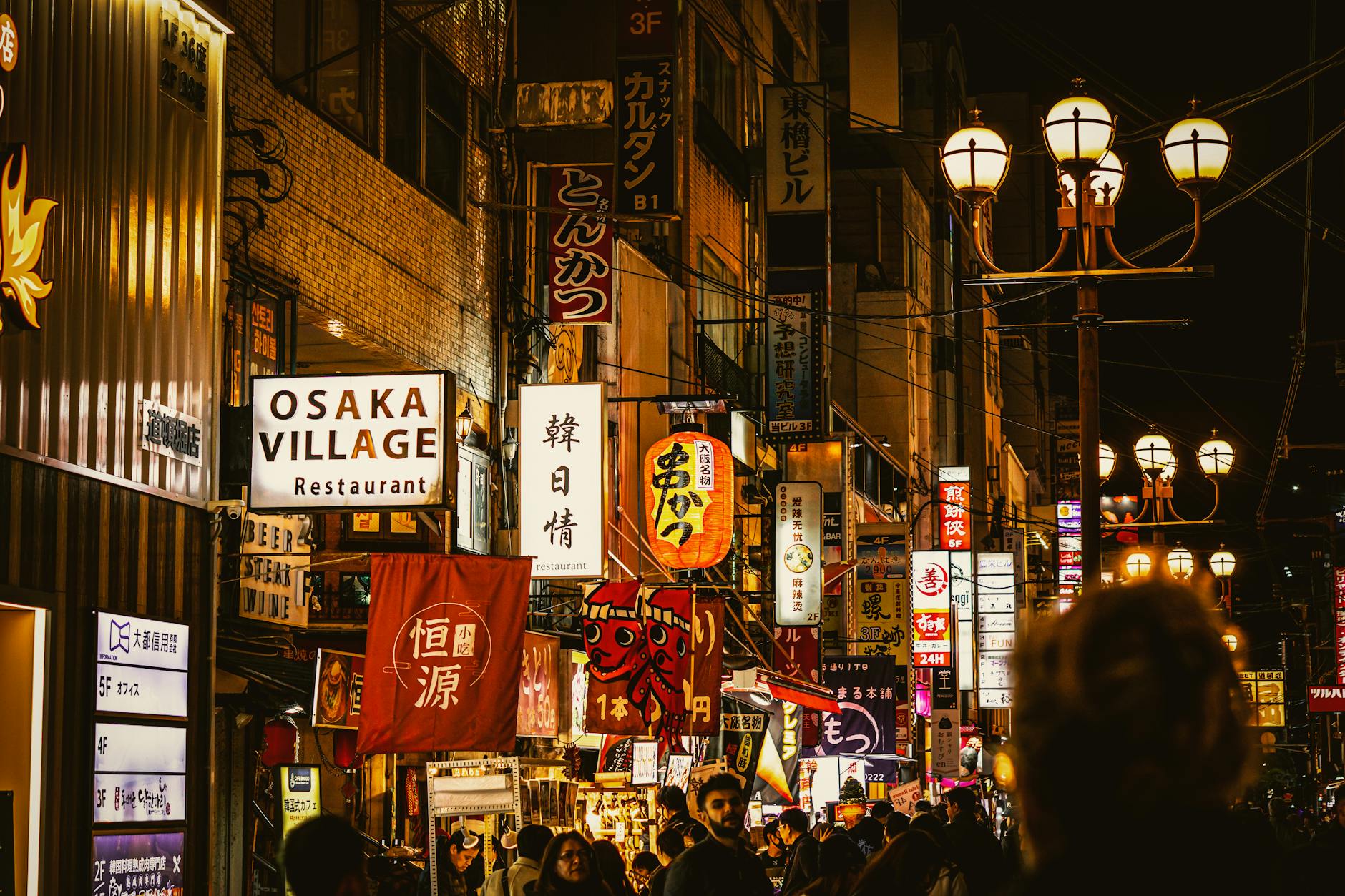
Takoyaki (octopus balls) and okonomiyaki (Japanese pizza) are Osaka's DNA. Dotonbori's giant crab signs, Kuromon Market's fresh sashimi. Shinsekai's kushikatsu (fried skewers) street.
Osaka street food is cheaper and tastier than Tokyo's (Osakans say so). A new flavor at every corner.
Osaka Castle, Dotonbori neons
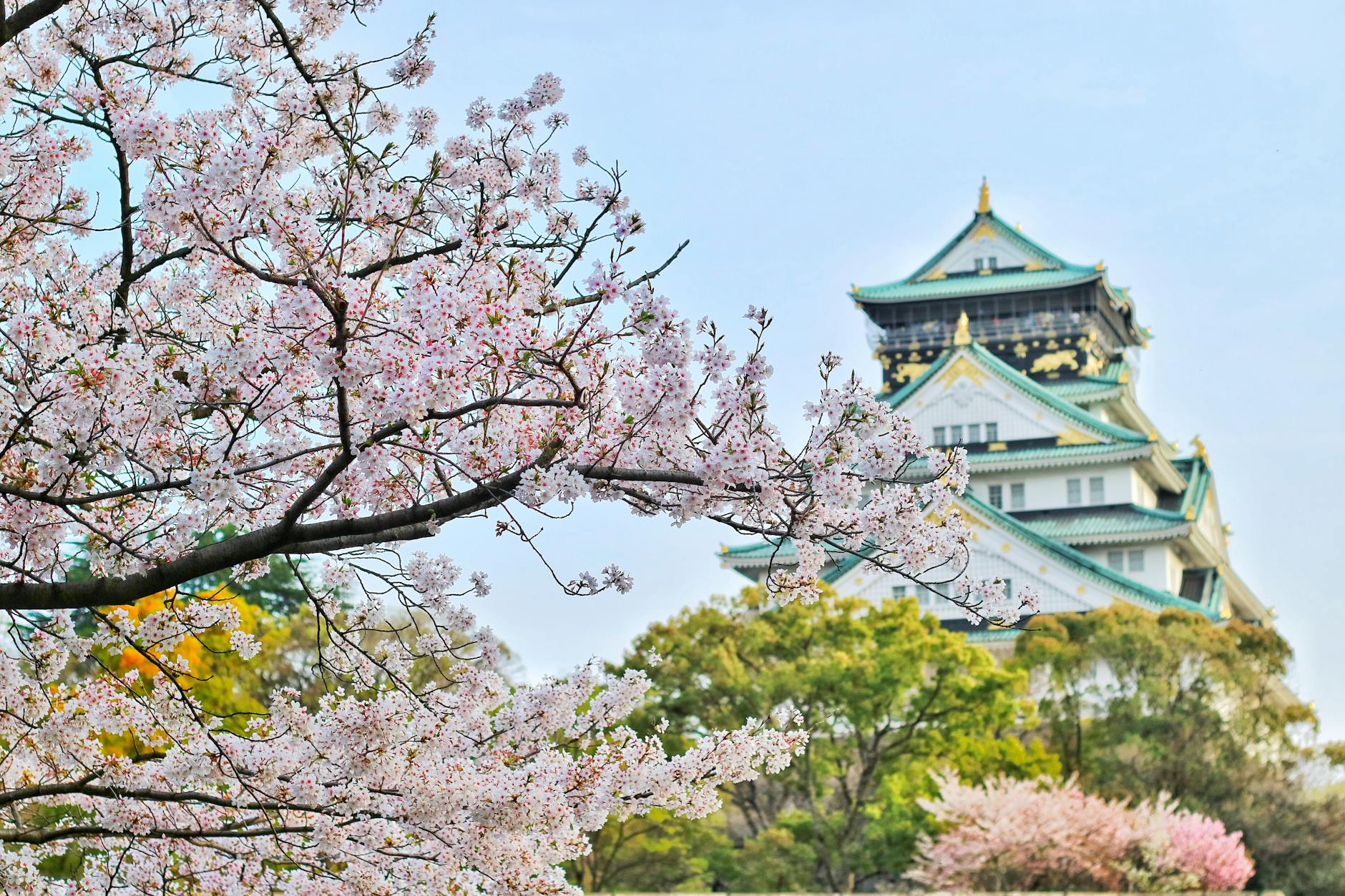
Osaka Castle built in 1583, most beautiful during cherry blossom season. 5,000 cherry trees turn the park pink. Dotonbori canal reflects neon lights, Glico Running Man is iconic.
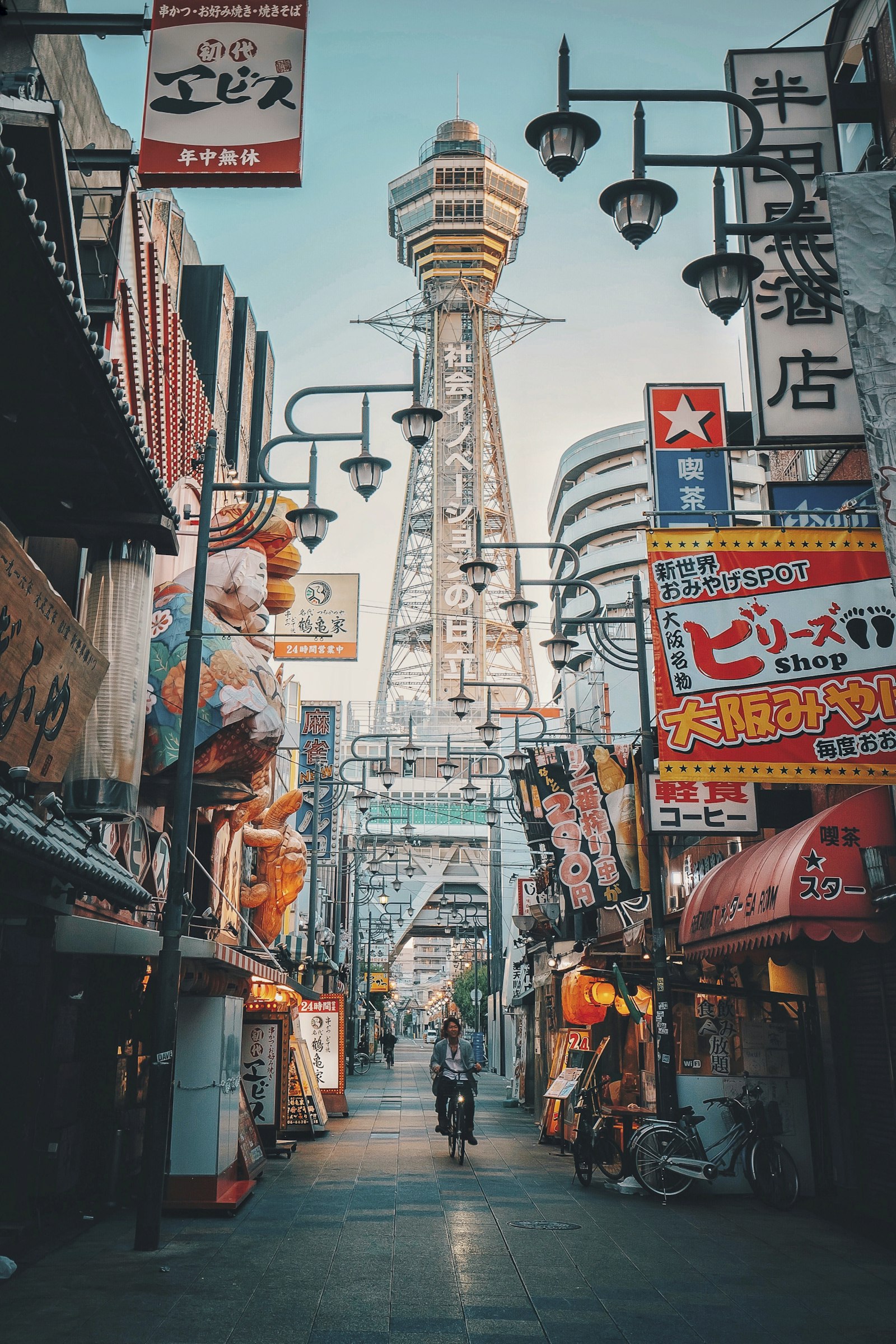
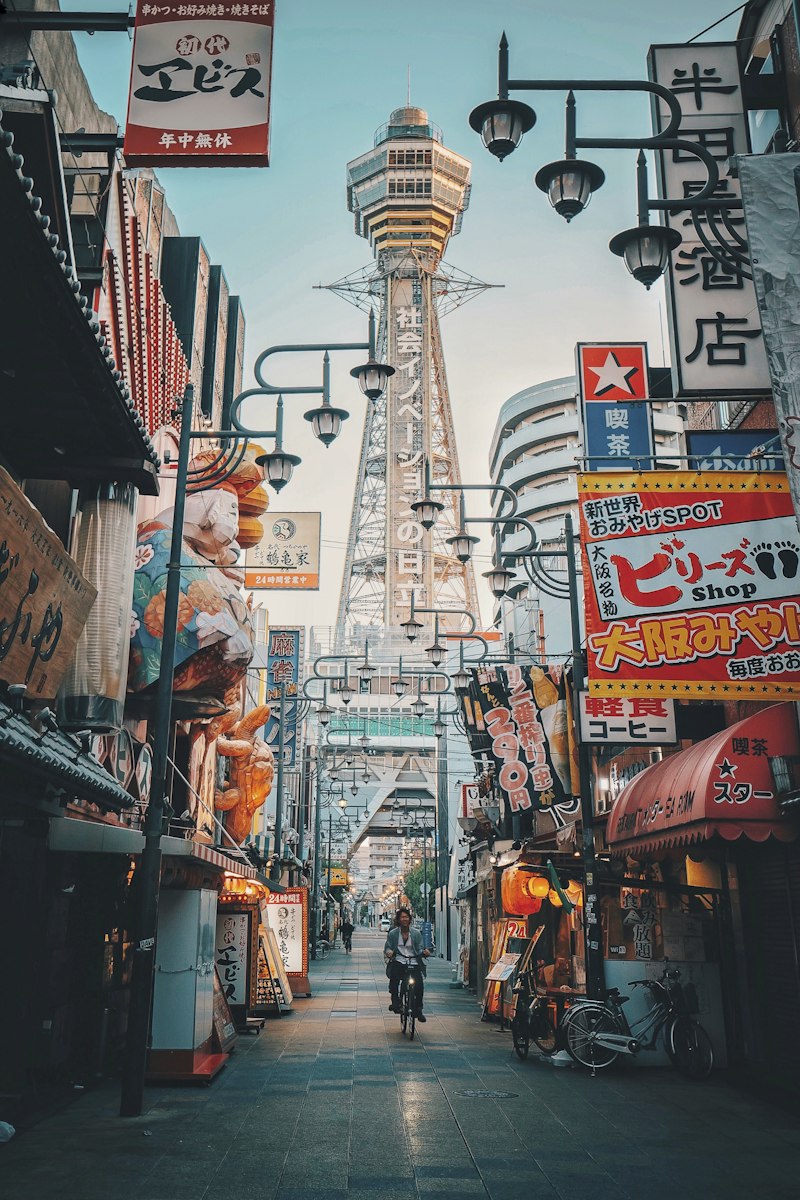
Shinsekai's Tsutenkaku tower is retro Osaka. Universal Studios Japan is perfect for families. Osaka is history by day, entertainment by night.
Neighborhoods: Which Area Suits You?
Each neighborhood in Osaka caters to different traveler types. Namba and Dotonbori buzz with energy for shopping and nightlife but feel crowded and touristy. Umeda offers a more modern, business-oriented vibe with comfortable restaurants and quieter bars. Shinsekai preserves authentic Osaka spirit in a working-class atmosphere where you'll find genuine street food and local culture. Kita is calmer with easy transit and excellent seafood eateries. While first-timers benefit from Namba's central location, spending a night in Shinsekai reveals the real essence of Osaka. Choose based on whether you seek vibrant crowds or local authenticity.
How Many Days and What Pace: Ideal Itinerary Flow
Three days is ideal to grasp Osaka's essence. Day one: visit Osaka Castle in the morning, then dive into Dotonbori's neon world in the afternoon with evening street food tours. Day two: explore Shinsekai neighborhood, try monjayaki (savory pancake) cooked at your table in local eateries, then shop or visit art museums around Shinsaibashi in the afternoon. Day three: start early at Kuromon Market for fresh seafood and produce, then take leisurely day trips to nearby areas. Move around via public transit daily, which is efficient and budget-friendly. This pace balances must-sees with genuine local experiences without rushing.
Food Culture, Budget Breakdown, and Practical Tips
Osaka's food culture reveres street and casual dining. Takoyaki, okonomiyaki, and kushikatsu (deep-fried skewers) are Osaka's culinary DNA, easily found in affordable eateries. Your 140 euro daily budget stretches comfortably: lunch runs 8-10 euros, dinner 12-15 euros, leaving funds for accommodation and activities. Beyond street food, local table-cooking restaurants offer authentic, budget-friendly meals. Cleanliness and safety are guaranteed, with many places featuring protective dividers. Buy a transit card on day one; it pays for itself. Visit popular spots mid-week and during lunch hours for fewer crowds and better chances to chat with locals. Shopping and dining discounts are common in off-season months, making autumn and spring ideal for value.
Osaka travel FAQ
When is the best time to visit Osaka?
The best months to visit Osaka are Mar-May, Oct-Nov.
Do I need a visa for Osaka?
Visa status for Osaka (Japan): Visa-free.
How long is the flight to Osaka?
The flight from Istanbul to Osaka takes about 12 hours.
What is the nightly budget for Osaka?
Nightly accommodation in Osaka is around €80-160 (Moderate).
Tours and activities
Where to stay
Real prices and availability in Osaka neighborhoods, book directly.
How you get there
Default origin: Istanbul. Change in profile.