Where to start reading the city


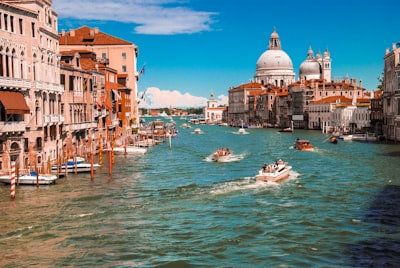
Milan is not just fashion, it is a way of life. From the Duomo's soaring spires to Navigli's canalside aperitivo culture, from Da Vinci's Last Supper to San Siro's roar. This city has turned elegance into everyday life.
From Duomo to Da Vinci, the capital of art
3,400 statues greet you on the Duomo di Milano's marble facade. Climb to the roof and you'll see the Alps' silhouette. At Santa Maria delle Grazie, watch people hold their breath before Da Vinci's Last Supper.
Brera's art galleries, La Scala opera, Fondazione Prada's contemporary spaces. Milan doesn't keep culture in display cases, it keeps it alive.
Risotto's golden color, aperitivo's golden hour
Milan's risotto alla milanese carries saffron's golden hue. Cotoletta alla milanese was born here long before Vienna. Panzerotti is street food at its most elegant.
But the real Milan experience is aperitivo hour. Watching the sunset with Aperol Spritz along Navigli canals, nibbling from the bar's complimentary platter. In this city, meals are measured not by hours but by moments.
Neighborhood Guide: A Different Milan for Every Traveler
Each neighborhood in Milan tells its own story. Brera attracts art-loving travelers with galleries and bohemian cafes, offering a vibrant art scene at night. Along the Navigli canals, romantic atmosphere suits young professionals and families. Montenapoleone and Quadrilatero d'Oro dominate luxury shopping with designer stores and premium prices. Lambrate merits exploration for art and innovation, filled with studios and alternative venues, while Porta Romana (south of Navigli) offers affordable guesthouses and budget-friendly trattorias. Garibaldi is a central hub where young travelers connect and find budget accommodation. Northern Milan, accessible by fast trains, provides proximity to designer outlets for budget-conscious shoppers. Each zone serves different traveler types without compromise.
Four Days in Milan: An Efficient Pace Guide
Start day one at Duomo square in the morning, admiring Italian Gothic architecture. Afternoon: explore shops under the glass dome of Galleria Vittorio Emanuele II, then walk to Piazza della Scala to see the opera house. Day two: book early morning tickets for Da Vinci's Last Supper at Refettorio (arrange reservations beforehand). Spend afternoon at Brera Pinacoteca, then experience evening aperitivo on Navigli canals. Day three: tour Castello Sforzesco and surrounding parks, then stroll Montenapoleone to admire luxury fashion storefronts. Final day: explore alternative neighborhoods like Lambrate's art spaces and smaller museums. Walking dominates each day; while metro is fast, it risks missing the city's rhythm and details.
Food Culture: Milanese Taste and Traveler Budget
Milanese cuisine is known for cream, mushrooms, and risotto. Risotto alla milanese is a golden, saffron-rich classic. Cotoletta (breaded schnitzel) and osso buco represent hearty braised options. Panettone and panettone gelato appear year-round. Within 150 euros daily budget, lunch via menù del giorno costs 10-12 euros, casual trattoria dinner runs 15-20 euros. Navigli's aperitivo tradition: buy one drink and receive complimentary snacks (various dips and fresh vegetables), potentially covering an entire evening. Supermarket sandwiches or pasta cost 3-5 euros; street-vendor panino runs 2-3 euros. Metro cards for 5 days cost around 20 euros, reducing transport expenses. Avoiding peak season (September or March-April) saves on visas and accommodation costs significantly.
Milan travel FAQ
When is the best time to visit Milan?
The best months to visit Milan are Mar-May, Sep-Oct.
Do I need a visa for Milan?
Visa status for Milan (Italy): Visa required.
How long is the flight to Milan?
The flight from Istanbul to Milan takes about 3 hours.
What is the nightly budget for Milan?
Nightly accommodation in Milan is around €80-160 (Moderate).
Tours and activities
Where to stay
Real prices and availability in Milan neighborhoods, book directly.
How you get there
Default origin: Istanbul. Change in profile.