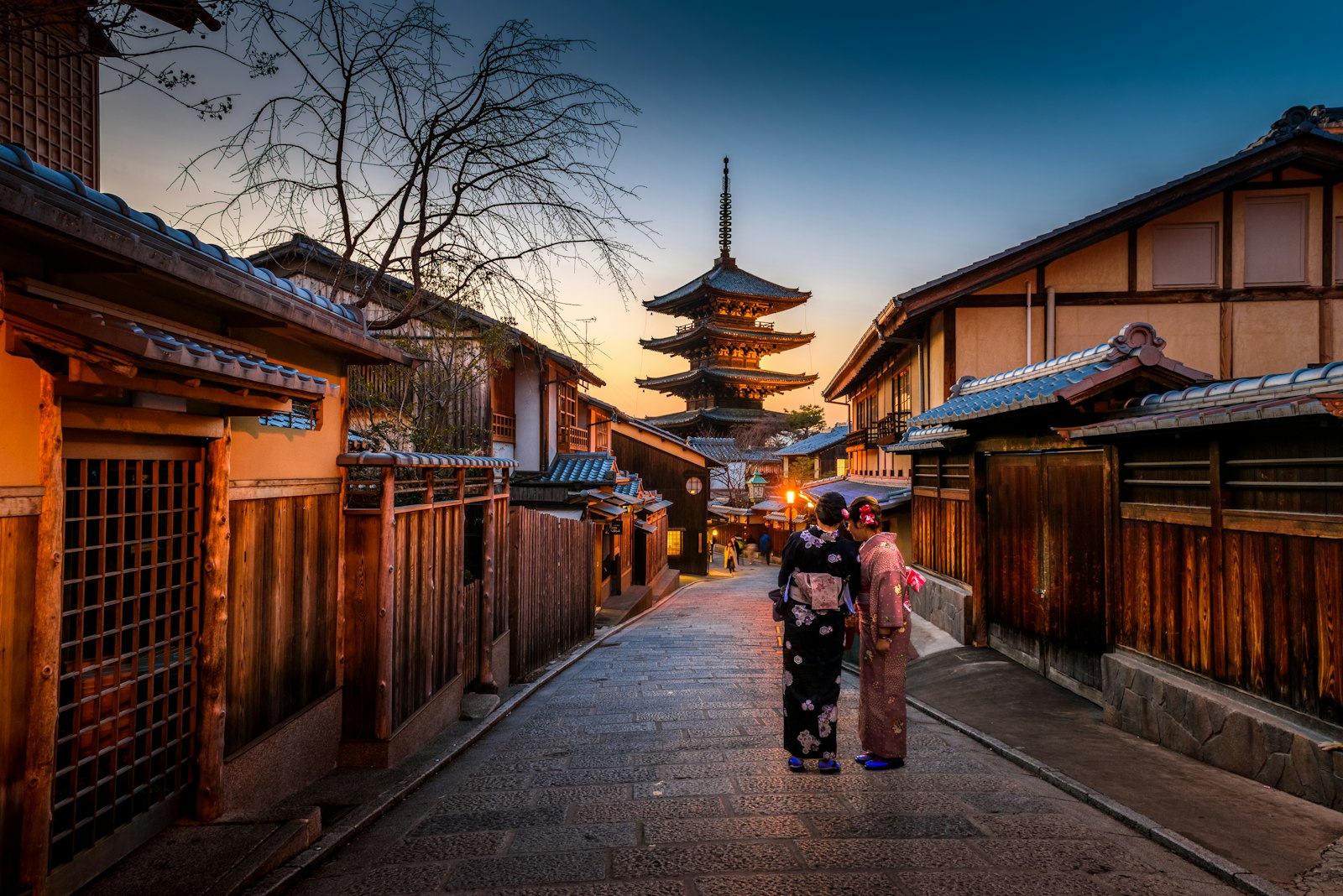
Where to start reading the city
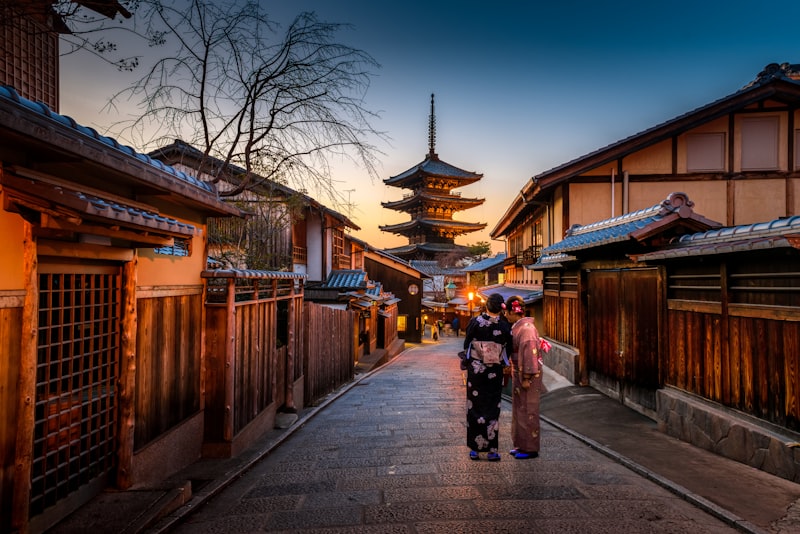


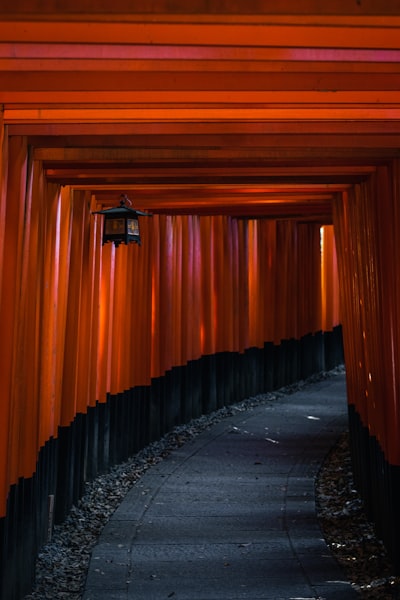
Kyoto is Japan's soul. Two thousand temples, geisha's graceful steps, bamboo forests' whisper, tea ceremony's silence. Escaping Tokyo's speed to find Kyoto's peace is the turning point of the Japan experience.
Two thousand temples, thousand-year tradition
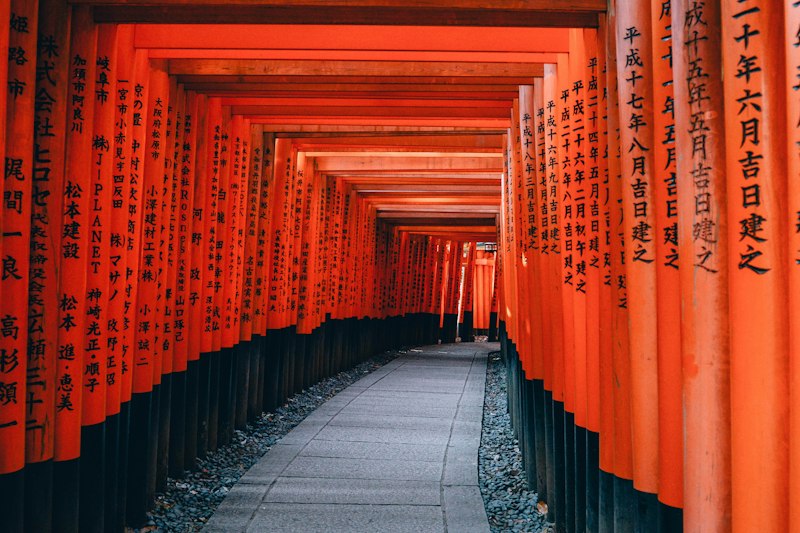
Walk through Fushimi Inari's ten thousand red torii gates, watch Kinkaku-ji's golden reflection on the lake, lose yourself in Arashiyama's bamboo forest. Each temple offers different beauty in different seasons.
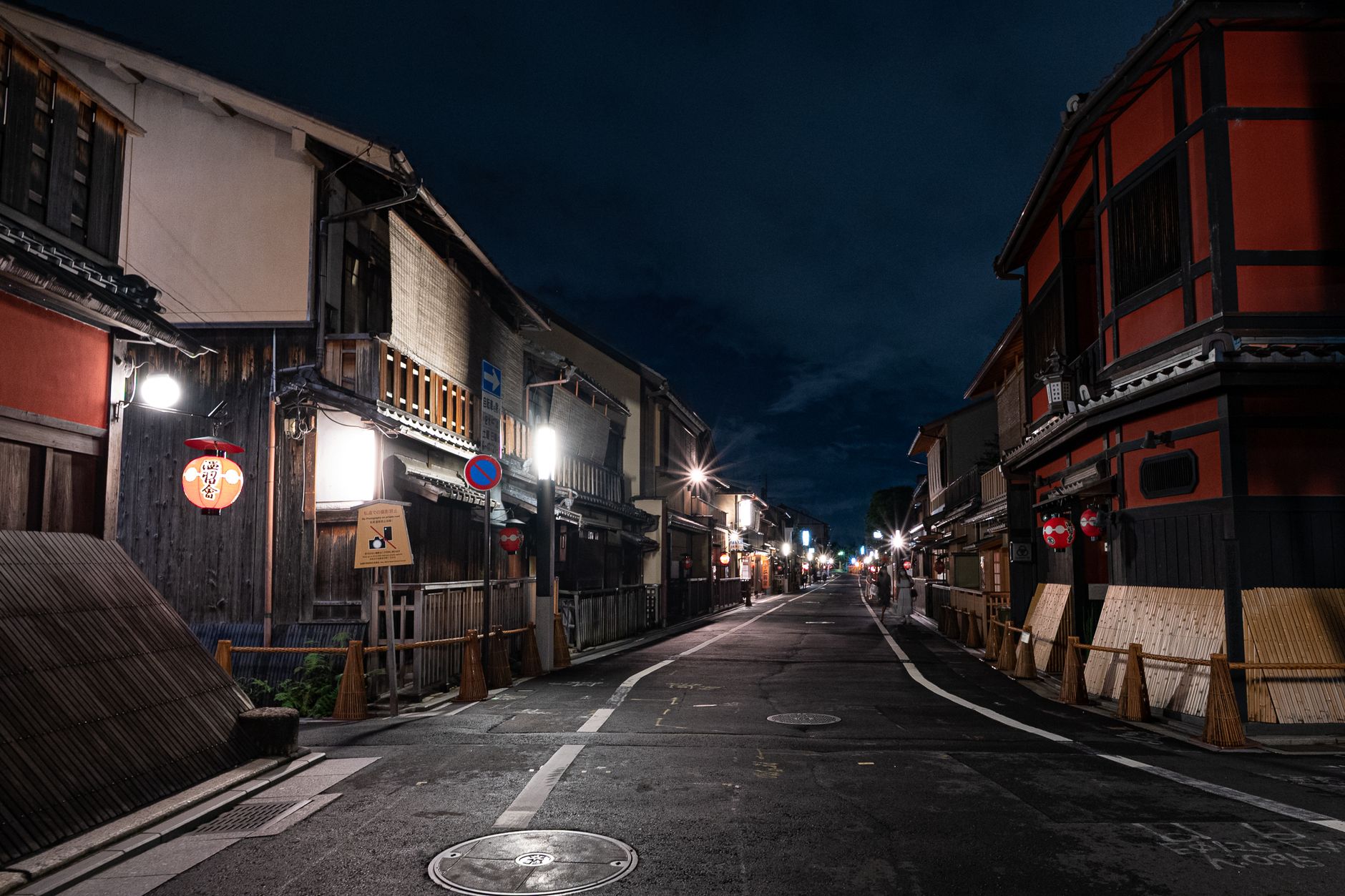
Witness a geisha's graceful passage in Gion's narrow streets, experience 400 years of food tradition at Nishiki Market. Kyoto doesn't put the past in a museum, it lives it.
Kaiseki elegance, matcha ritual
Kaiseki is Japanese cuisine at its most refined, seasonal ingredients, artwork presentation. Kyoto's tofu (yudofu) is simple but profound. Try mochi, tsukemono, yuba at hundreds of stalls in Nishiki Market.
Join a matcha ceremony at a tea house, paired with wagashi (Japanese sweets). Taste obanzai (Kyoto home cooking) at Gion's small izakayas. Here, food is an art form.
Neighborhoods and Where to Stay
Each neighborhood in Kyoto offers a distinct experience. Higashiyama captivates history enthusiasts with traditional wooden houses and narrow streets. Arashiyama appeals to romantics with its bamboo forests and natural beauty, while Gion's geisha houses and art galleries attract culture seekers. The central Shimogyo district suits shoppers and those seeking modern amenities, though it's busier. Maruyama provides a serene haven with temples nestled peacefully nearby. For budget-conscious travelers, areas near universities and outer neighborhoods offer more economical options.
How to Spend Your Days in Kyoto
You can explore Kyoto best in three days, though five days is ideal. Start day one early morning at the famous temple complex in Fushimi, then explore central areas on foot in the afternoon. Dedicate day two to Arashiyama's bamboo forest and ancient temples, returning early to visit local markets. Spend day three wandering Higashiyama's golden stone paths, discovering tea houses and small museums. If you have a fourth day, observe geisha culture in Gion and join matcha workshops. Plan active temple visits between 10:00 and 17:00 daily, and don't skip midday rest breaks.
Food Culture, Budget, and Practical Tips
Kyoto's cuisine is light, elegant, and seasonal. Lunch menus at restaurants using local seasonal ingredients are significantly cheaper than dinner. Ramen, udon, and donburi options remain delicious within your daily budget. Experiencing matcha in traditional tea houses is a unique encounter. Street food treats your wallet kindly while offering authentic flavors. Purchase a public transport card and rely on buses, the network is comprehensive and affordable. Avoid taxis, distances are walkable. Shop at small artisan shops early to discover local products and support communities. Expect more visitors during spring and autumn; winter offers quieter yet equally beautiful Kyoto experiences.
Kyoto travel FAQ
When is the best time to visit Kyoto?
The best months to visit Kyoto are Mar-May, Oct-Nov.
Do I need a visa for Kyoto?
Visa status for Kyoto (Japan): Visa-free.
How long is the flight to Kyoto?
The flight from Istanbul to Kyoto takes about 12 hours.
What is the nightly budget for Kyoto?
Nightly accommodation in Kyoto is around €80-160 (Moderate).
Tours and activities
Where to stay
Real prices and availability in Kyoto neighborhoods, book directly.
How you get there
Default origin: Istanbul. Change in profile.