
Where to start reading the city


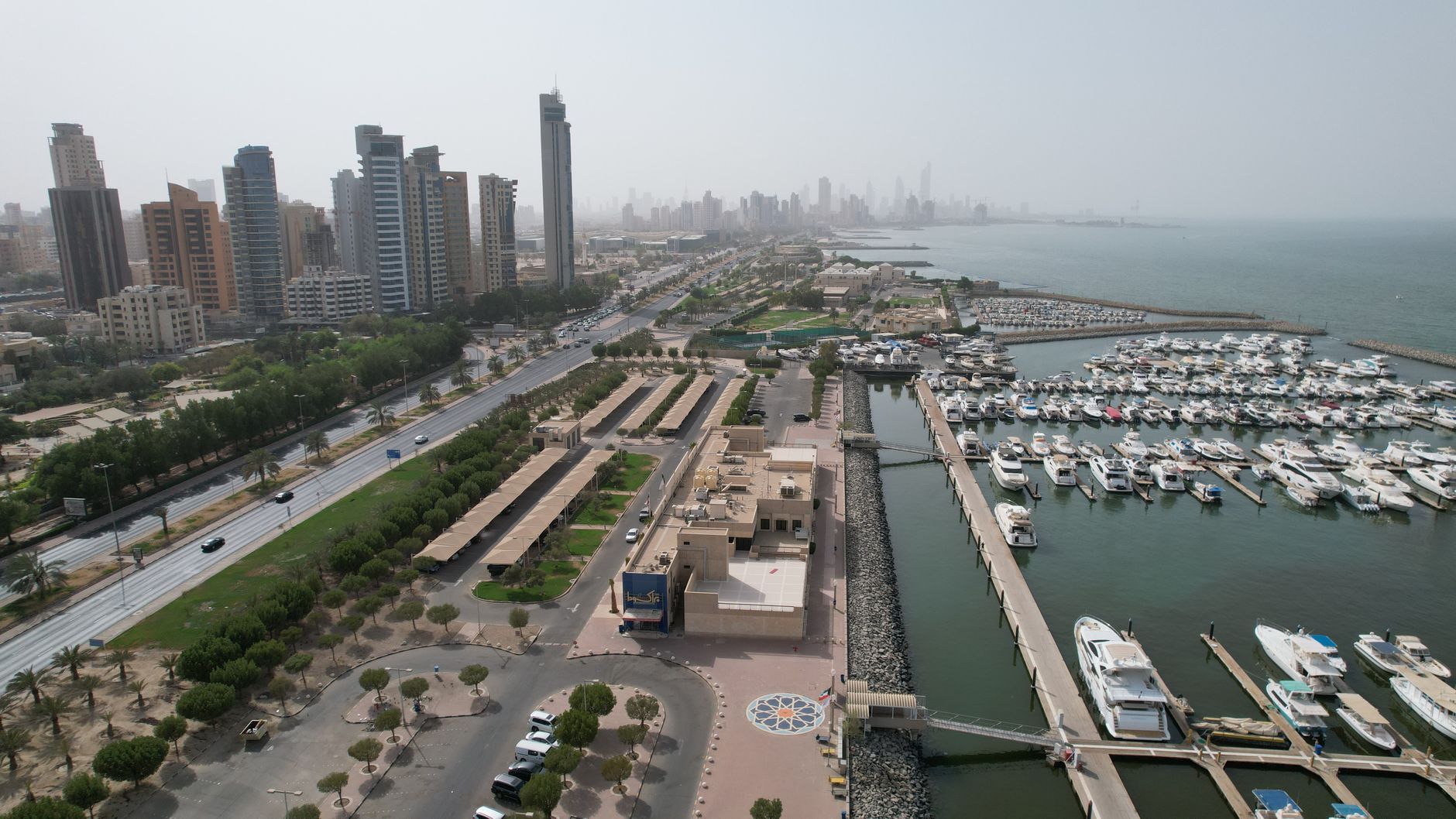
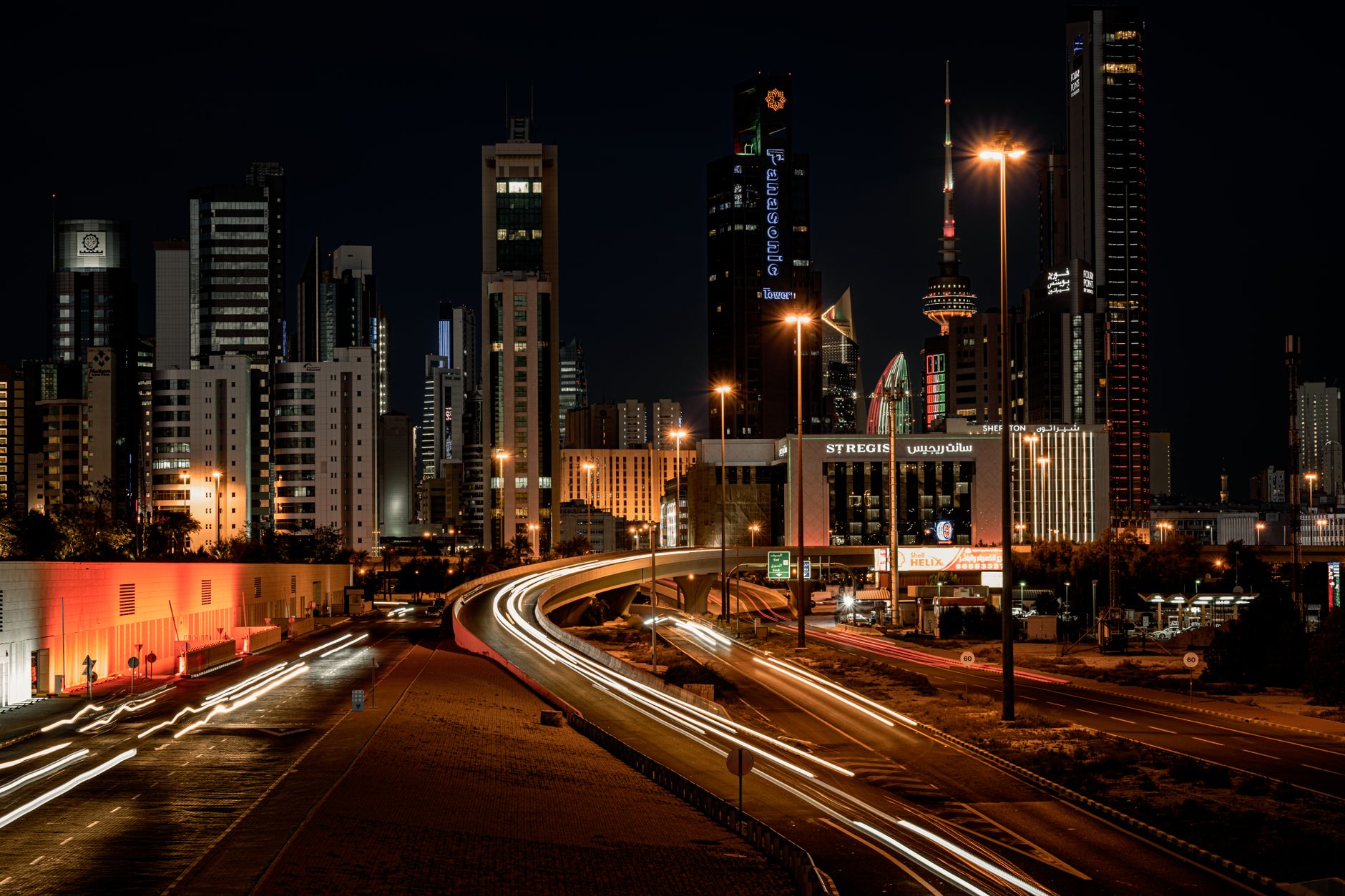

Kuwait City is the Gulf's cultural heritage. Kuwait Towers are the city's symbol, Souq Mubarakiya's tradition, modern museums. Deep Arab culture beyond oil wealth.
Kuwait Towers, traditional souk
Kuwait Towers have been the city's icon since 1979, revolving restaurant and observation. Souq Mubarakiya is Kuwait's oldest market: spices, incense, traditional clothing. Grand Mosque is magnificent at 72,000m².
Sheikh Abdullah Al Salem Cultural Centre is among the world's largest museum complexes. Kuwait invests in preserving culture.
Machboos, Arabic coffee
Machboos is Kuwait's national dish: spiced rice topped with meat or fish. Gabout (dumplings), harees, luqaimat. Traditional Kuwaiti table at Souq Mubarakiya's restaurants.
Arabic coffee and dates start every table. Modern restaurants in Salmiya and Avenues.
Neighborhoods and Where to Stay: Which District Suits You?
Salmiya, located in western Kuwait City, offers proximity to beaches, vibrant nightlife, and shopping centers, ideal for young travelers and families. Central Sharq appeals to museum and culture enthusiasts, preserving the old medina spirit and best explored in early mornings. Those seeking quieter, more local experiences prefer Fahaheel, where traditional coffeehouses and open markets thrive. Dasman and Manara are peaceful, tree-lined residential areas. Each neighborhood has its own character; choose according to your budget and interests.
Kuwait City in Four Days: Practical Itinerary Flow
Day one: start around Kuwait Towers early; optimal light for interior views and gulf panoramas arrives by midday. Afternoon visits to Sharq museums, where art and cultural collections remain open until 17:00. Day two: arrive early at Souq Mubarakiya for local life and crafts. Afternoons dedicated to cultural centers. Day three: venture into nature; visit Green Island or gulf-side parks. Day four: reserve remaining museums, children's areas, or rest time. Wear comfortable shoes daily, hydrate generously throughout.
Food and Drink: Gulf Cuisine, Budget, and Practical Tips
Kuwaiti cuisine blends Indian, Persian, and Arab traditions into a rich dining scene. Main dishes like machboos and shuwa are hearty and budget-friendly. Local coffeehouses fill earliest in mornings; don't miss traditional Arab coffee and tea. Tourist zones charge higher prices; venture toward neighborhoods for economical options. Eating schedules shift during Ramadan; plan lunches carefully. Weekends bring family crowds to restaurants. Credit cards enjoy wide acceptance, reducing cash needs, though some souq shops take cash only. With a daily 140 euro budget, comfortable dining and sightseeing are entirely feasible.
Kuwait City travel FAQ
When is the best time to visit Kuwait City?
The best months to visit Kuwait City are Oct-Apr.
Do I need a visa for Kuwait City?
Visa status for Kuwait City (Kuwait): E-Visa.
How long is the flight to Kuwait City?
The flight from Istanbul to Kuwait City takes about 3.5 hours.
What is the nightly budget for Kuwait City?
Nightly accommodation in Kuwait City is around €50-100 (Affordable).
Tours and activities
Where to stay
Real prices and availability in Kuwait City neighborhoods, book directly.
How you get there
Default origin: Istanbul. Change in profile.