
Where to start reading the city


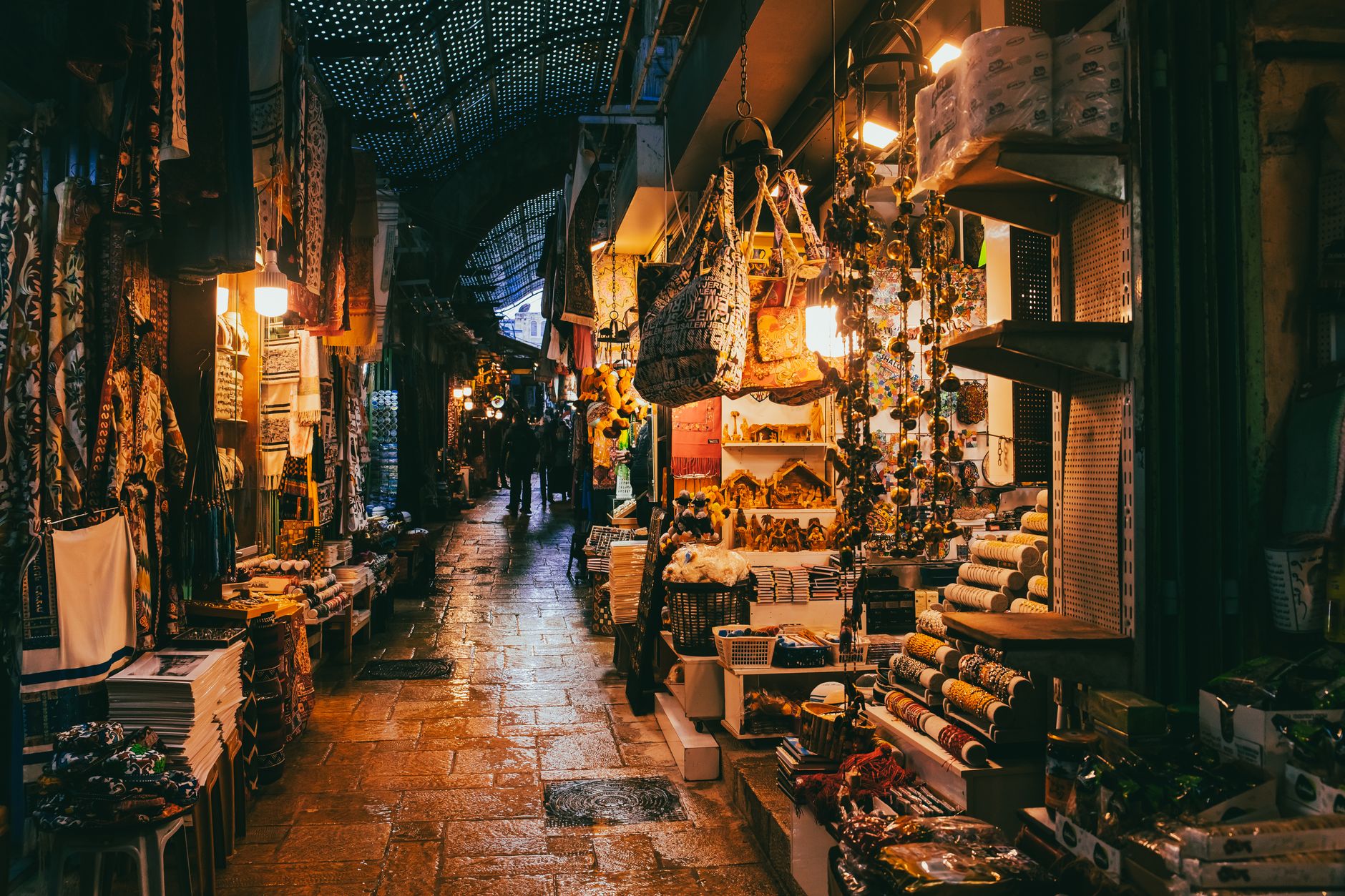

Jerusalem is the world's holiest city. Three great religions meet here: Western Wall, Church of the Holy Sepulchre, Al-Aqsa Mosque. Old City's narrow streets carry millennia of weight.
Three religions, one city, infinite layers
Old City divided into four quarters: Jewish, Christian, Muslim, Armenian. Prayer notes squeezed between stones at the Western Wall. Church of Holy Sepulchre where Jesus was crucified. Al-Aqsa Mosque is Islam's third holiest site.
Yad Vashem Holocaust museum is deeply moving, Israel Museum holds Dead Sea Scrolls. Jerusalem is a living page of history.
Hummus, falafel, kanafeh
Jerusalem hummus is the world's best (debatable but true). Machane Yehuda market is food paradise: falafel, shakshuka, halva, spices. Kanafeh dessert is Old City's sweetest surprise.
Armenian Quarter's cafes, Muslim Quarter's street food. Food in Jerusalem is where cultures meet.
Neighborhood guide: A district for every traveler
Different neighborhoods of Jerusalem offer vastly different experiences. The Old City is essential for history lovers, where narrow streets, markets, and the holy sites of three faiths converge. West Jerusalem is modern with cafes, art galleries, and a relaxed atmosphere. The Machane Yehuda area features trendy local businesses and a vibrant food scene. If you want to see local life authentically, Palestinian neighborhoods like Sheikh Jarrah or Silwan offer genuine glimpses, though you should check security conditions beforehand. Budget travelers find cheap hostels in and around the Old City, while comfort seekers prefer West Jerusalem hotels.
How many days in Jerusalem: Pacing and practical flow
Three days are enough to grasp Jerusalem's essentials. Dedicate day one to the Old City; visit the Western Wall early morning when crowds are smaller and light is better. Then the Church of the Holy Sepulchre. Spend the afternoon exploring markets, evening wandering a neighborhood. Day two can be broader: choose between Al-Aqsa Mosque, the Israel Museum, or Yad Vashem based on your interests. Day three is for West Jerusalem's art scene and cafes, or take a day trip to nearby regions. Longer stays allow time for archaeological sites and surrounding areas.
Food culture, budget, and travel tips
Jerusalem's cuisine is the heart of Levantine tradition; hummus, falafel, labneh, and za'atar are everywhere. Street food is the cheapest and most flavorful option, with a falafel sandwich costing under 10-15 EUR. Markets offer fresh fruit, cheese, and olives at fair prices, and local eateries provide affordable lunches. The 130 EUR daily budget works for accommodation, meals, and basics, though you'll need to prioritize. Public transport passes are more economical than individual tickets or taxis. Seasonally, spring and fall are ideal; summer is hot, winter requires more indoor venues. Checking news about local conditions before your trip is practical wisdom.
Jerusalem travel FAQ
When is the best time to visit Jerusalem?
The best months to visit Jerusalem are Mar-May, Sep-Oct.
Do I need a visa for Jerusalem?
Visa status for Jerusalem (Israel): Visa required.
How long is the flight to Jerusalem?
The flight from Istanbul to Jerusalem takes about 2 hours.
What is the nightly budget for Jerusalem?
Nightly accommodation in Jerusalem is around €50-100 (Affordable).
Tours and activities
Where to stay
Real prices and availability in Jerusalem neighborhoods, book directly.
How you get there
Default origin: Istanbul. Change in profile.