
Where to start reading the city


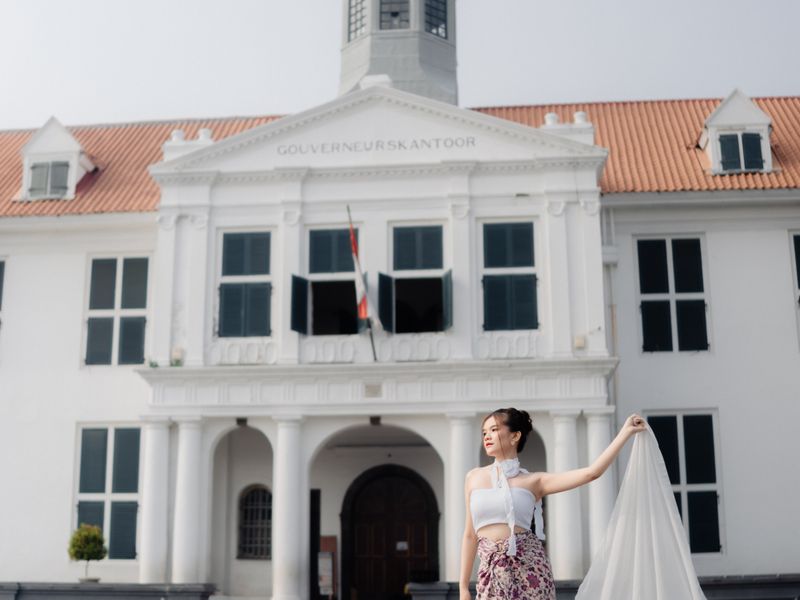

Jakarta is Indonesia's chaotic capital. 30 million people, traffic monster, but Kota Tua's colonial charm, Monas' national pride. Southeast Asia's largest metropolis.
Kota Tua, Monas, mega city
Kota Tua Dutch colonial center, museums and cafes. Monas (National Monument) 132m golden flame, independence symbol. Istiqlal Mosque Southeast Asia's largest.
Jakarta is rapidly changing, new MRT and shopping malls.
Nasi goreng, satay, street food
Nasi goreng is Indonesia's national dish, fried rice everywhere. Satay with peanut sauce, rendang voted world's most delicious food. Blok M street food, Grand Indonesia food court.
Food in Jakarta is cheap and delicious, 17,000 islands' cuisine in one city.
Neighborhoods and Accommodation: Which District Suits You?
Jakarta's neighborhoods offer distinctly different experiences. Senayan and Blok M suit budget travelers well, with boutique accommodations and stylish dining concentrated there. Gadjah Mada Street is the young traveler's hub, bustling with artist studios and cultural centers. Menteng and Cikini are quieter, ideal for those wanting to observe local life. South Jakarta (Jaksel) stands out with its sandy streets, dense cafés and galleries, representing the city's most modern, vibrant face. Northern areas are not recommended; the north coast is industrial and less tourist-friendly. Each district has its own rhythm, and your budget and preferences should guide your choice.
How Many Days and How: Practical Travel Planning
Three days is enough to grasp Jakarta. Day one: visit Kota Tua early, photograph colonial architecture and taste local café culture. Afternoon, climb the Monas tower and explore its museum. Day two: dedicate to museums (Indonesian National Museum and Textile Museum are quick visits), visit a local market at dusk. Day three, choose: Ragunan Zoo or a quick boat tour to Pulau Seribu islands. Evenings, experience food and music bars around Blok M and nearby areas. Be patient with the city's chaotic nature; public transport takes time but rewards the curious traveler.
Jakarta Cuisine and Budget Guide
Jakarta's food scene reveals its richness once you dive in. Nasi goreng, gado-gado and satay are street foods costing 1-3 EUR per meal. Eating family-style dishes at local warungs (ethnic eateries) is both economical and social. A daily 70 EUR budget comfortably covers quality local meals, café breaks and occasional mid-range restaurant dinners. Morning street markets offer incredibly cheap fruits and snacks. Buy beverages and water at small neighborhood shops rather than chains. Avoid unlabeled food stalls and tourist traps without signage. Jakarta won't strain your wallet if you embrace local eating habits and have an open palate.
Jakarta travel FAQ
When is the best time to visit Jakarta?
The best months to visit Jakarta are Jun-Sep.
Do I need a visa for Jakarta?
Visa status for Jakarta (Indonesia): Visa-free.
How long is the flight to Jakarta?
The flight from Istanbul to Jakarta takes about 12.5 hours.
What is the nightly budget for Jakarta?
Nightly accommodation in Jakarta is around €50-100 (Affordable).
Tours and activities
Where to stay
Real prices and availability in Jakarta neighborhoods, book directly.
How you get there
Default origin: Istanbul. Change in profile.