Where to start reading the city
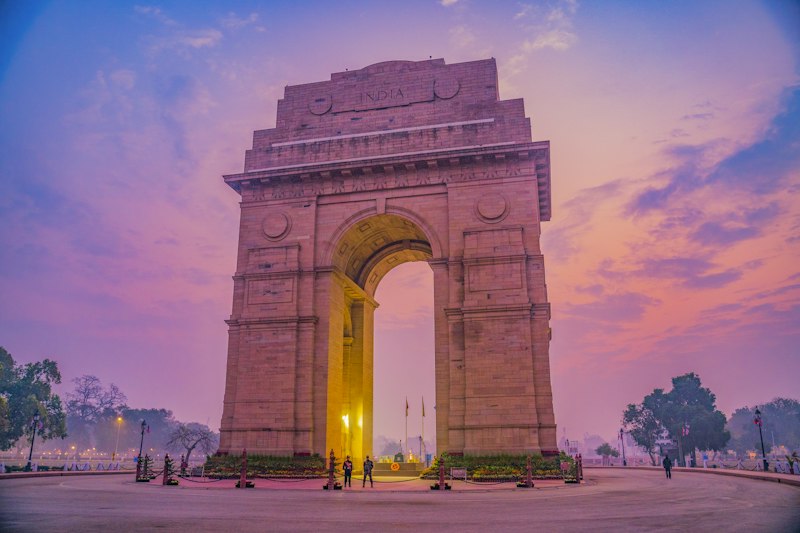
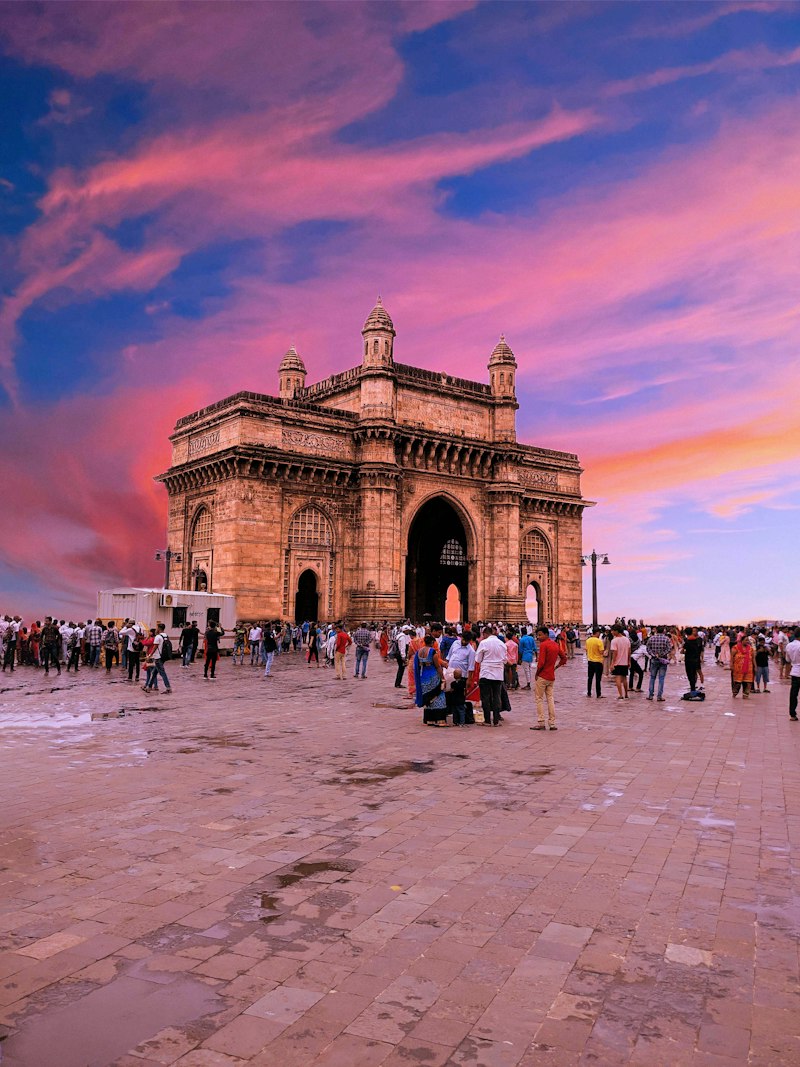


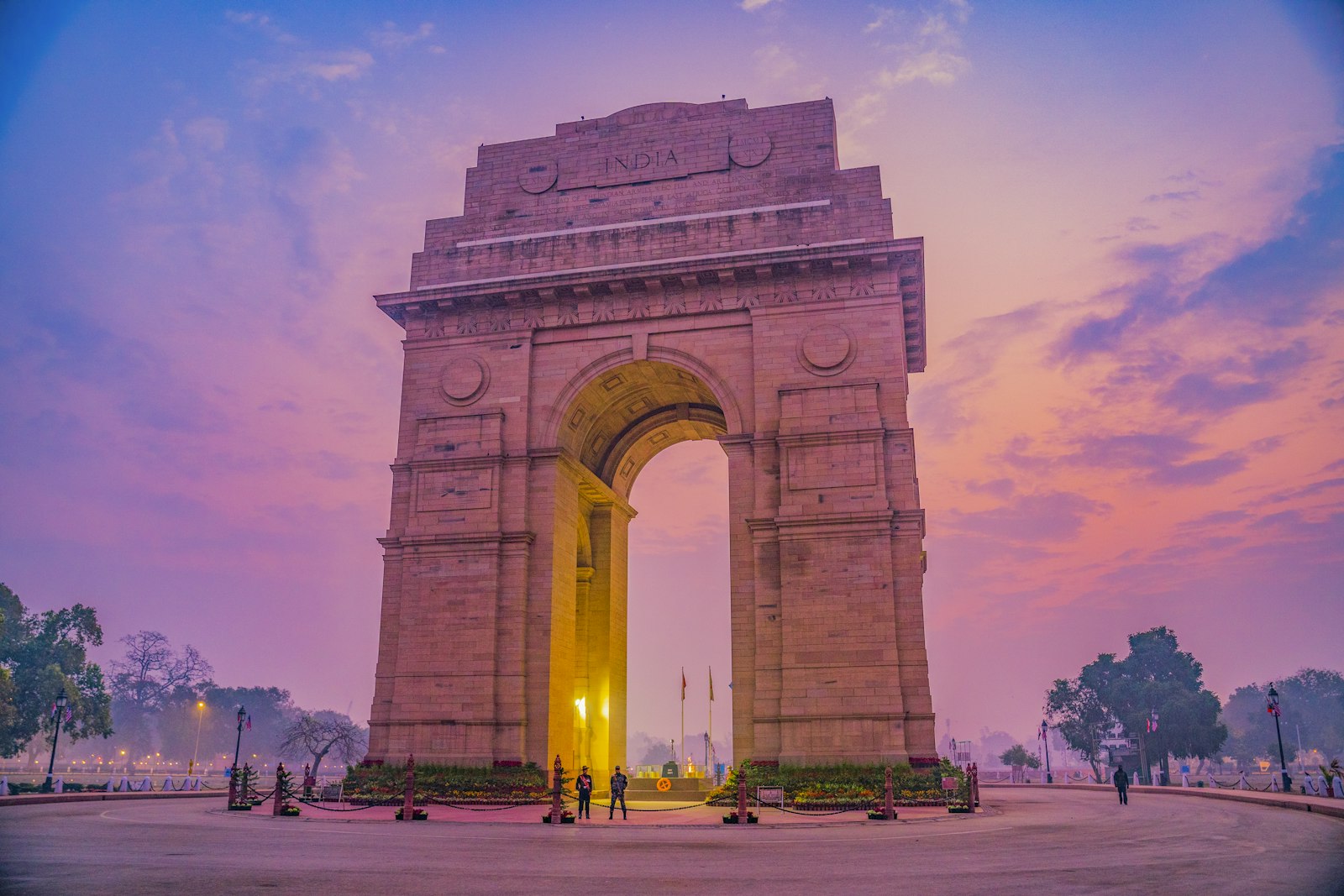
Delhi is the order of chaos, capital of contrasts. From Red Fort's grandeur to Chandni Chowk's wild streets, from Humayun's Tomb's symmetry to Connaught Place's colonialism. A city built by seven empires, one on top of another.
Layers of seven empires
Red Fort is the Mughal Empire's crown, gardens and palaces behind its walls. Humayun's Tomb inspired the Taj Mahal. Qutub Minar at 72m is the Islamic world's tallest minaret.
Jama Masjid is India's largest mosque, Lotus Temple a modern architectural wonder. In Delhi, every era lives side by side.
Chandni Chowk's smoke, parantha's aroma
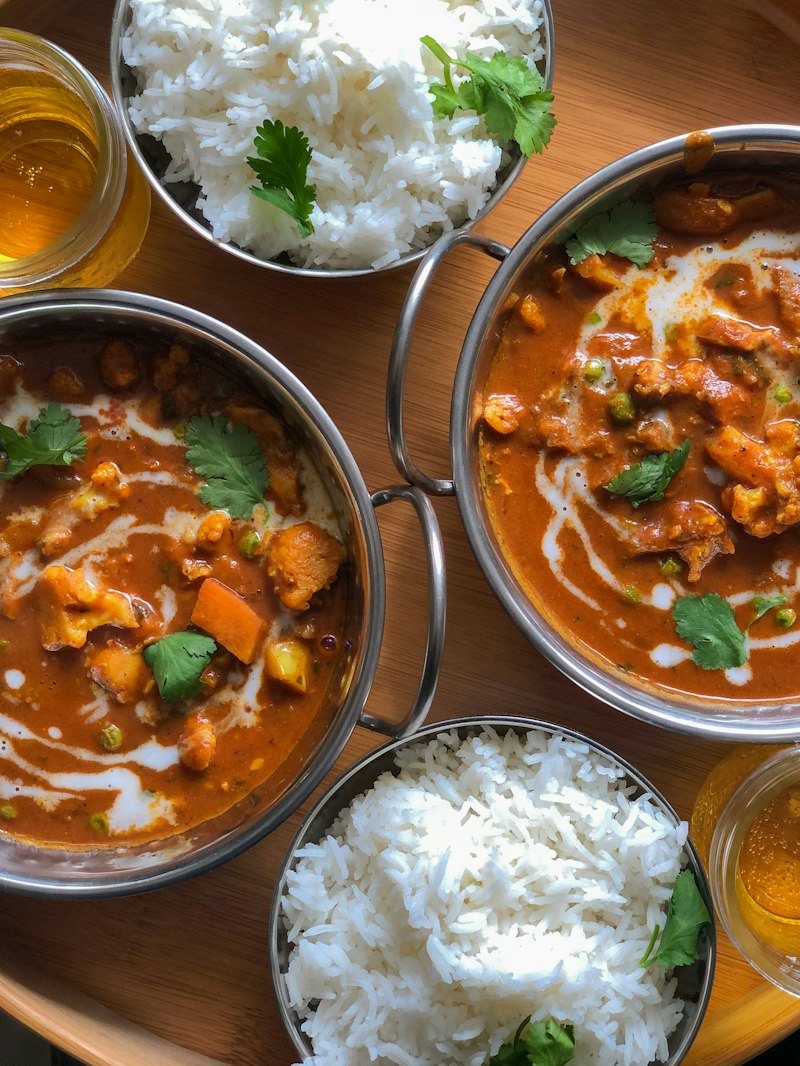
Paranthe Wali Gali has been frying parantha for over 100 years. Chaat, jalebi, kebab in Chandni Chowk's narrow streets. Karim's has been the best address for Mughlai cuisine since 1913.
Old Delhi's street food is among the world's richest. Butter chicken was born here (Moti Mahal). Delhi is a serious player on the gastronomy map.
Neighborhoods: Delhi's districts for every traveler
Each neighborhood in Delhi reveals a different character. Old Delhi offers traditional bazaars, narrow lanes, and historic Islamic architecture; staying here provides an authentic but crowded experience. New Delhi features orderly street layouts and residential colonies converted into accommodations, suiting mid-range travelers seeking tranquility. Connaught Place and Karol Bagh bustle with modern reception, restaurants, and shopping; you can immerse yourself here completely. South Delhi's Hauz Khas and Defence Colony serve young backpackers and budget travelers with cheap hostels and niche cafes. Near the airport and practical for transit, yet offers a stereotypical tourist atmosphere.
Three, four, five days: exploring Delhi at the right pace
For a three-day minimum: Day one covers Red Fort and Jama Masjid, starting early morning, wandering Chandni Chowk in the afternoon. Day two includes Humayun's Tomb, Qutub Minar, and Lodi Gardens, using metro or taxi between sites. Day three winds down at Connaught Place and the Government Museum. Adding a fourth day incorporates Lotus Temple and the Bahai House of Worship; five days allow deeper exploration of Raj Ghat, Jantar Mantar, and the Qutub complex surroundings. Join evening bazaar walks. Plan sightseeing between 07:00-19:00 daily; metro is more reliable than Istanbul's, and venturing out at night carries greater risk.
Delhi's cuisine: Taste, budget, and eating culture
Delhi is the heart of paratha, samosa, chaat, and tandoori kebabs; despite a food score of 4/5 paired with a budget level of 2/5, your budget teaches variety as much as quality. A double paratha at street vendors costs 1-2 euros, restaurant settings 3-4 euros. On a daily 65-euro budget, combining lunch at busy spots and a single dinner easily sustains you. Purchase a metro card (vendors sometimes prefer it beyond transport) and select hotels with parking attendants. October-March offers food festivals, seasonal produce, and easier seating; post-April brings heat and rising security concerns.
Delhi travel FAQ
When is the best time to visit Delhi?
The best months to visit Delhi are Oct-Mar.
Do I need a visa for Delhi?
Visa status for Delhi (India): Visa required.
How long is the flight to Delhi?
The flight from Istanbul to Delhi takes about 7 hours.
What is the nightly budget for Delhi?
Nightly accommodation in Delhi is around €50-100 (Affordable).
Tours and activities
Where to stay
Real prices and availability in Delhi neighborhoods, book directly.
How you get there
Default origin: Istanbul. Change in profile.