
Where to start reading the city



Dakar is West Africa's rhythmic capital. Atlantic coast, vibrant music scene, Gorée Island's touching history. Senegal's warm heart.
Gorée's heritage, teranga spirit
Gorée Island is slavery's touching witness, UNESCO heritage. African Renaissance Monument at 49m is Africa's largest statue. Dakar's music scene shakes with mbalax rhythm.
Senegal famous for teranga (hospitality) culture. Dakar is warm and welcoming.
Thiéboudienne, attaya tea
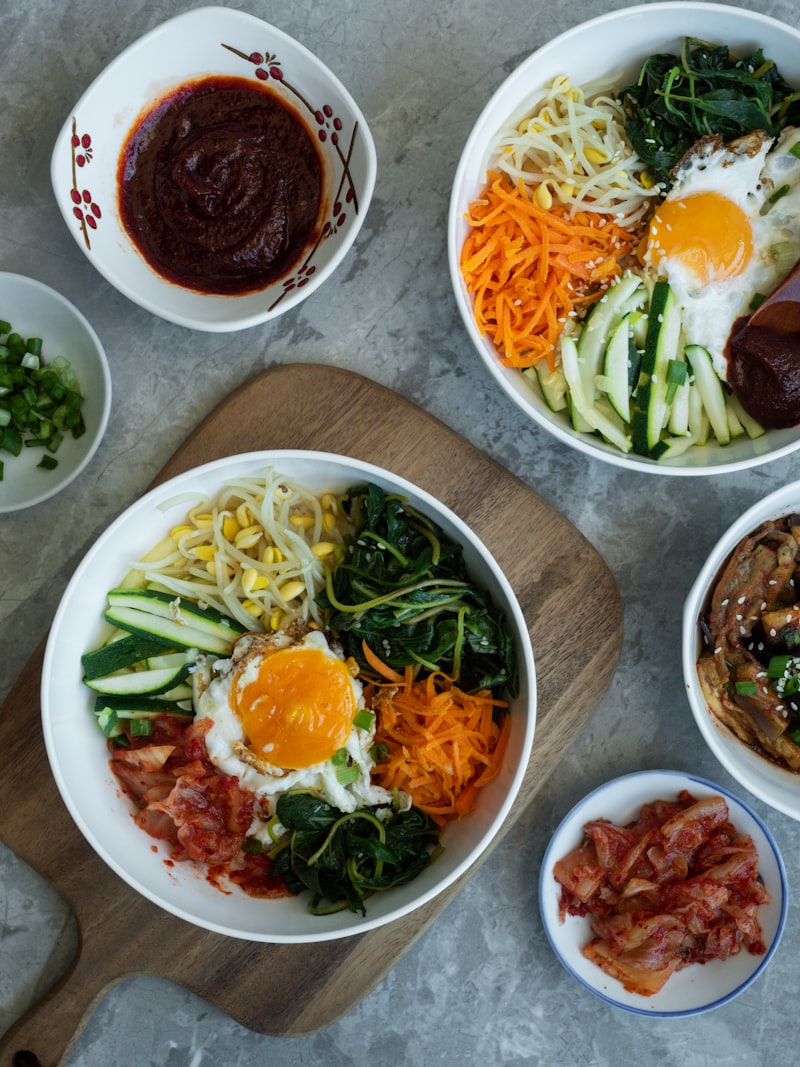
Thiéboudienne is Senegal's national dish, fish over spiced rice. Yassa chicken with lemon sauce. Attaya tea ceremony three-brew tradition. Sandaga Market street food paradise.
Dakar's seaside restaurants serve fresh Atlantic fish.
Neighborhoods and Accommodation: Different Faces of Dakar
Dakar's geography divides according to traveler preferences. Plateau, the city's commercial and cultural center, features colonial architecture, museums, and vibrant markets ideal for mid-budget visitors. The Almadies peninsula is quieter with beach access and western exposure, preferred by those seeking luxury stays and peaceful evenings. Le Mariste and Fann neighborhoods appeal to balbal wanting to experience local life closely, offering budget guesthouses and authentic restaurants. Virage is lively for those seeking nightlife and youthful energy. Each district reflects distinct rhythms while remaining connected by shared Dakar spirit.
How Many Days to Explore Dakar? Pace and Practical Itinerary
Four to five days suffice to absorb Dakar. Day one, explore Plateau's center on foot, observing museums and markets. Day two, start early for a ferry trip to Gorée Island, return by afternoon for beach rest. Day three, visit Almadies for western horizons and coastal walks. Day four, discover local neighborhoods, art galleries, and music venues. Reserve day five for flexibility, revisiting places according to the city's mood. Rigid scheduling matters less than adapting to Dakar's rhythm.
Food Culture and Budget Practicalities
Senegalese cuisine is economical for balbal. Thiéboudienne (fish and colorful rice) is the signature dish, available at street vendors and local restaurants at budget-friendly prices. This oily, well-spiced cuisine pairs with tea culture. A daily 75-euro budget comfortably covers accommodation and meals, using shared taxis or ride services for transport. Markets offer the best prices. Meal times begin late, and evenings are social. Seasonality matters: dry season (November-May) facilitates hot dishes. Use local currency, as some places decline cards. Drink water from reliable sources. Being practical and adaptable lets you sync with Dakar's eating rhythm.
Dakar travel FAQ
When is the best time to visit Dakar?
The best months to visit Dakar are Nov-May.
Do I need a visa for Dakar?
Visa status for Dakar (Senegal): E-Visa.
How long is the flight to Dakar?
The flight from Istanbul to Dakar takes about 8 hours.
What is the nightly budget for Dakar?
Nightly accommodation in Dakar is around €50-100 (Affordable).
Tours and activities
Where to stay
Real prices and availability in Dakar neighborhoods, book directly.
How you get there
Default origin: Istanbul. Change in profile.