Where to start reading the city



Colombo is Sri Lanka's dynamic capital. From colonial Galle Face Green to Pettah's chaotic market, from Gangaramaya Temple to cosmopolitan restaurants. Heart of Sri Lanka, pearl of the Indian Ocean.
Temples, colonial trace, tea tradition
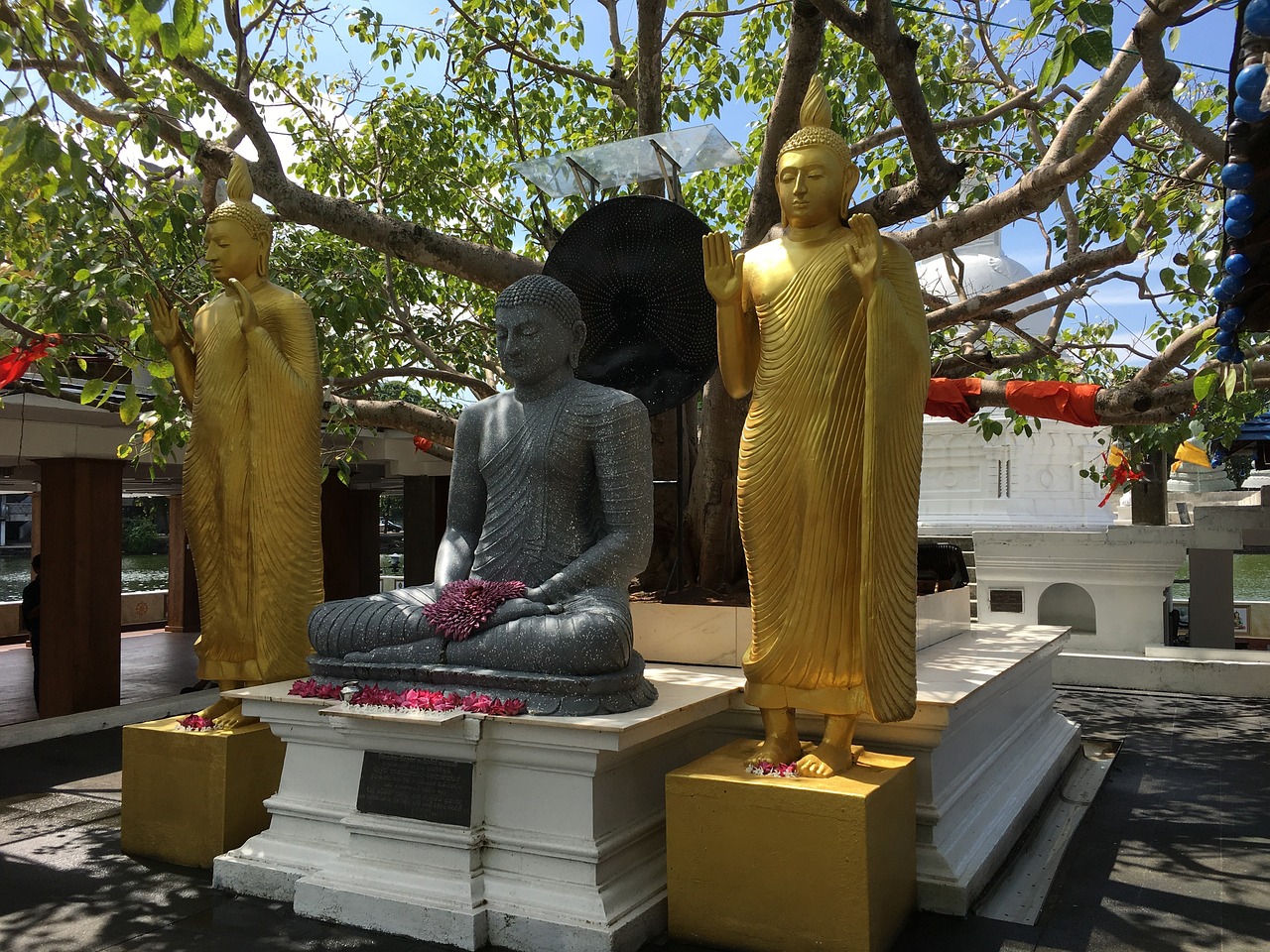
Gangaramaya Temple combines Buddhist, Hindu, and Chinese architectural elements. Independence Square is Sri Lanka's independence symbol. Colombo National Museum tells the island's history with 170,000 artifacts.
Pettah market is chaotic but energetic, you can find everything. Sri Lanka's tea culture is a world heritage.
Rice and curry, hoppers, tea
Rice and curry is Sri Lanka's daily table, served with 8-10 small plates. Hoppers (bowl-shaped crepe) are a breakfast classic, egg hopper the egg version. Kottu roti is king of night street food.
Ministry of Crab is among the world's best crab restaurants. Sri Lankan tea (Ceylon) is world-famous, tea gardens in the central highlands.
Neighborhoods and Where to Stay
Colombo's character varies depending on which neighborhood you choose. The Galle Face Green area has a modern, tourism-oriented atmosphere and is a safe, central choice for first-time visitors. Fort is the heart of business, shopping, and nightlife, offering a more energetic experience. Cinnamon Gardens is quiet, green, and appeals to middle-upper income travelers, making it ideal for longer stays. Pettah and Slave Island showcase authentic Sri Lankan markets and local life, though they require comfort with chaotic surroundings. Colombo Dockyard has become an emerging hub for art and craft enthusiasts. Budget travelers find more affordable options on the edges of Cinnamon Gardens or in Fort's side streets.
How Many Days and What Route
Two days suffice for a first visit. On day one, start with a morning walk at Galle Face Green, then visit the Gangaramaya Temple and lose yourself in Pettah markets at midday. Photograph historic structures as you return through Fort in the evening. On day two, explore Cinnamon Gardens, visit local tea shops, and see the national museum. Spend the afternoon on a guided harbor walk or photograph galleries at Colombo Dockyard. With three or more days, you can sync with daily rhythms, sit with tea vendors, and spend time in smaller cultural centers. This pace lets you breathe and absorb rather than rush.
Food Culture, Budget and Practical Tips
Colombo's cuisine reflects Sri Lanka's essence with Indian, Malabar, and Arab influences. Rice and curry is everywhere, hoppers are the way to make local friends, and lamprais delights meat lovers. Street food, tea, and biscuits keep your daily budget stable. A 70 euro daily budget allows for comfortable travel. Local restaurants and tea shops are far more economical than tourist establishments. Transport via bus or local taxi remains affordable. Payment cards are accepted in the city, but carrying cash for markets and street vendors is wise. December to March offers ideal visiting conditions with comfortable temperatures and minimal rain. Spend days exploring and evenings at a local tea shop soaking in the city's pulse.
Colombo travel FAQ
When is the best time to visit Colombo?
The best months to visit Colombo are Dec-Mar.
Do I need a visa for Colombo?
Visa status for Colombo (Sri Lanka): E-Visa.
How long is the flight to Colombo?
The flight from Istanbul to Colombo takes about 9 hours.
What is the nightly budget for Colombo?
Nightly accommodation in Colombo is around €50-100 (Affordable).
Tours and activities
Where to stay
Real prices and availability in Colombo neighborhoods, book directly.
How you get there
Default origin: Istanbul. Change in profile.