
Where to start reading the city


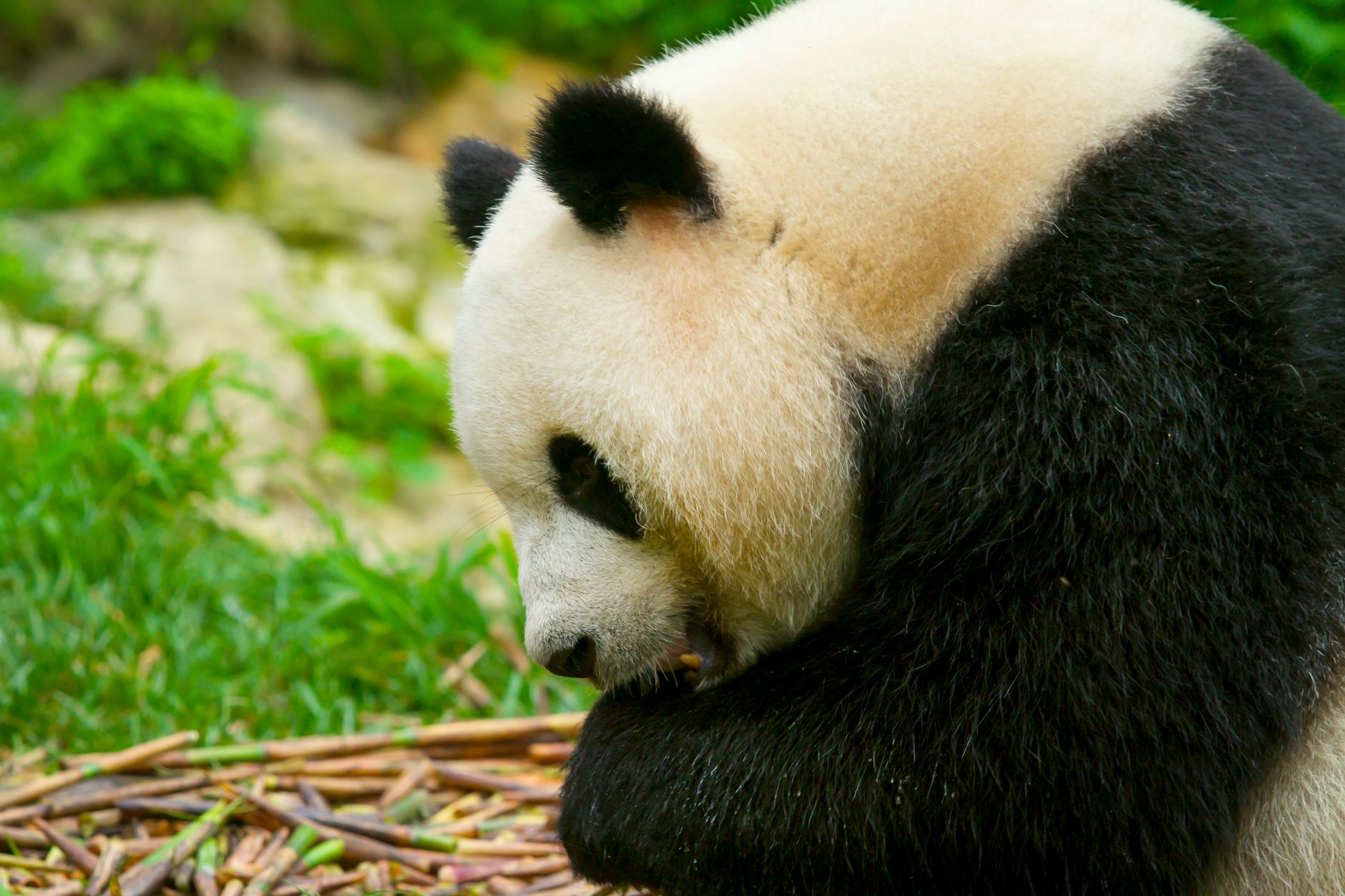

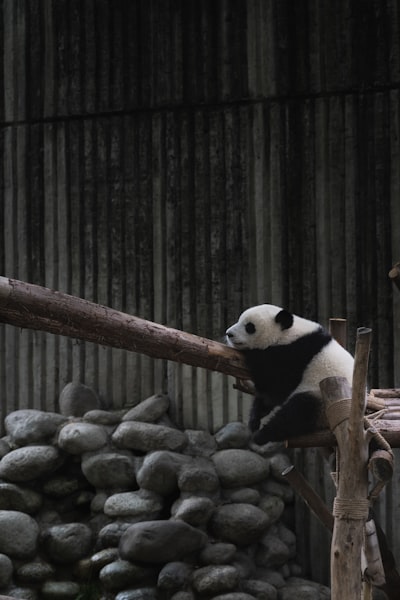
Chengdu is home to giant pandas and capital of Sichuan cuisine. Panda Research Center, hotpot culture, tea houses. China's most relaxed and spiciest city.
Pandas and tea houses
Chengdu Panda Research Center is the world's best place to see giant pandas in natural habitat. Jinli Ancient Street enchanting with night lights. Ear cleaning tradition at People's Park tea houses.
Modern cafes in historic houses at Wide and Narrow Alley. Chengdu has chosen peace over speed.
Hotpot fire, mapo tofu
Sichuan hotpot is the world's spiciest, red oil, Sichuan pepper creates numbing effect. Mapo tofu, kung pao chicken, dan dan noodle. Street food on every corner.
Chengdu holds UNESCO Creative City of Gastronomy title. Food here is serious business.
Neighborhoods and Where to Stay
Chengdu's main tourist district is Kuanzhai Xiangzi, where narrow lanes are lined with antique shops, art galleries, and traditional teahouses. Staying here means experiencing the city's culture, though nights can be noisy. IFS District (Jiuyanqiao) attracts young backpackers with affordable hostels, restaurants, and active nightlife. Baoguang is quieter and more local in character, close to the train station but with less tourism infrastructure. Tianfu Square vicinity suits higher-budget travelers with modern amenities, though it reduces authentic Chengdu experience. Mid-budget travelers prefer Chunxi Road: central location, shopping convenience, and comfortable accommodation options.
How Many Days and Practical Travel Flow
Three days is sufficient to explore Chengdu comfortably. On day one, visit the Panda Research Base in early morning (best 7-10 am), return to city center in the afternoon and stroll through Kuanzhai Xiangzi, then sit in a teahouse by evening. Day two: visit Wuhou Shrine, experience your first hotpot lunch, then explore antiques at Jinli Street. Day three should be relaxed: browse local markets, visit Chengdu Museum, or observe local life in smaller teahouses. City transport is convenient and affordable. Start early each day, make lunch substantial, and keep dinner light.
Food Culture, Budget, and Practical Tips
Chengdu's food culture is bold and spicy: the numbing sensation of Sichuan peppercorn is the city's signature. Hotpot is a social experience where diners cook and eat together around a table. Mapo tofu, kung pao chicken, and dandan noodles are readily available and affordable. With a daily budget of 90 EUR, comfortable living is possible: street food costs 2-5 EUR, hotpot restaurants 10-15 EUR, teahouses 3-5 EUR per hour. Register for local digital payment apps; card use is limited in small venues. March-June and September-November are best seasons. August is humid and crowded. Food outside the city center is both cheaper and more authentic.
Chengdu travel FAQ
When is the best time to visit Chengdu?
The best months to visit Chengdu are Mar-Jun, Sep-Nov.
Do I need a visa for Chengdu?
Visa status for Chengdu (China): Visa required.
How long is the flight to Chengdu?
The flight from Istanbul to Chengdu takes about 9.5 hours.
What is the nightly budget for Chengdu?
Nightly accommodation in Chengdu is around €80-160 (Moderate).
Tours and activities
Where to stay
Real prices and availability in Chengdu neighborhoods, book directly.
How you get there
Default origin: Istanbul. Change in profile.