
Where to start reading the city


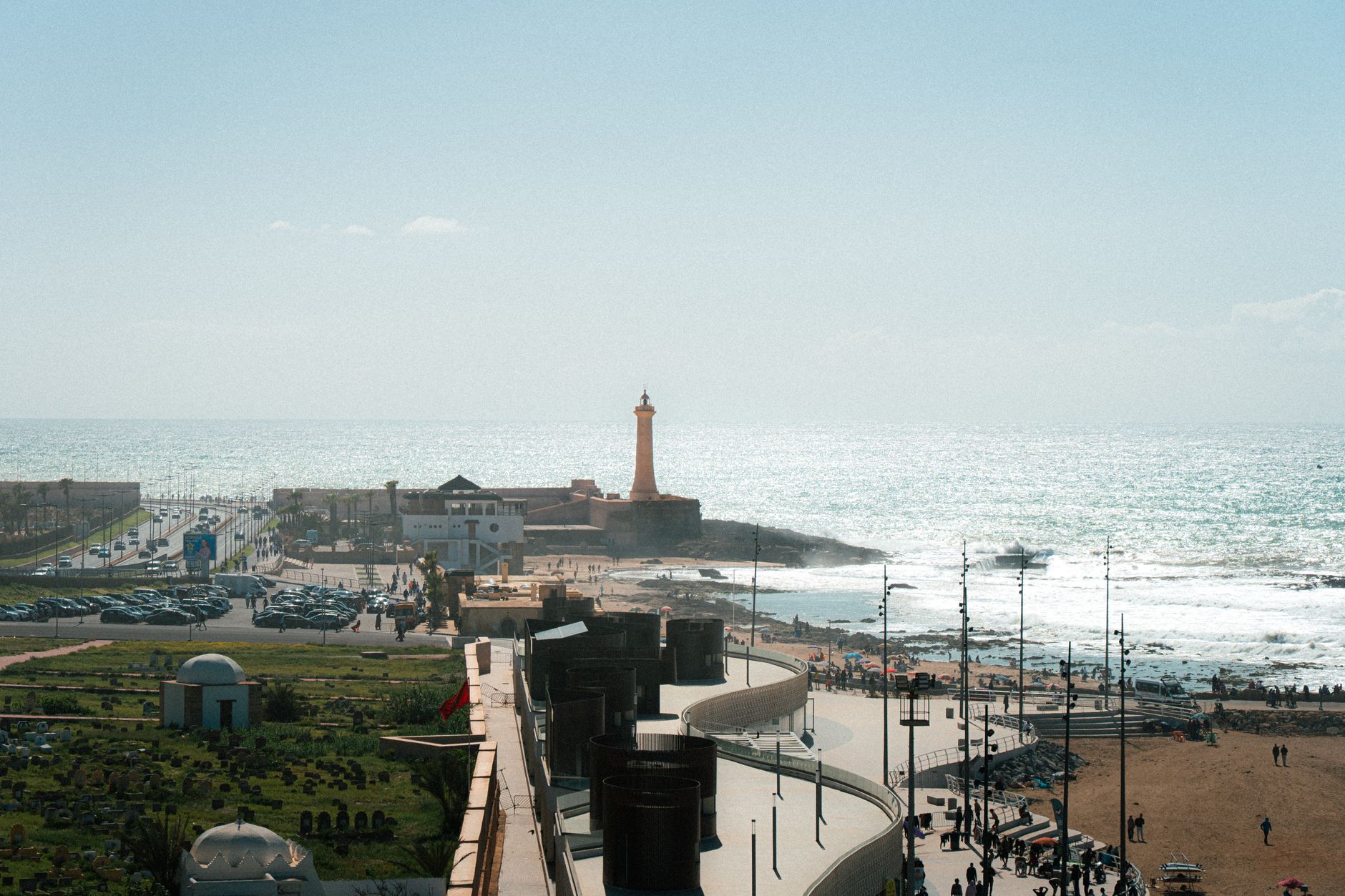

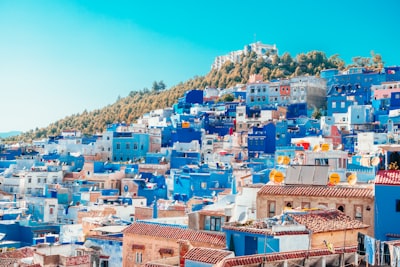
Casablanca is Morocco's modern face. Hassan II Mosque rises over the ocean, Corniche's seaside bars, Art Deco neighborhoods. Away from Marrakech's tourism, real Morocco lives here.
Hassan II's ocean mosque
Hassan II Mosque is among the world's largest, its 210m minaret is Casablanca's symbol. Built over the ocean, you can see the sea through the glass floor. Art Deco district has elegant French colonial buildings.
Habous quarter (New Medina) with traditional Moroccan architecture, Rick's Cafe film nostalgia.
Ocean fish, Moroccan coffee
Casablanca's fish market is ultra-fresh, grilled sardines are the city's street food. Seafood at Marché Central. Café de France is traditional Moroccan coffee culture.
Ocean-view dining at Corniche's seaside restaurants. Casablanca isn't as touristy as Marrakech, prices are better, flavors more authentic.
Neighborhoods and Where to Stay
Casablanca's Medina, with its narrow streets and traditional markets, offers an authentic Moroccan experience but comes with noise and chaos. Those seeking comfortable, modern accommodation find themselves in Nouvelle Ville's wide boulevards, surrounded by art deco architecture. The Corniche district bustles with young travelers and families, ideal for beach proximity and nightlife. Palmerie appeals to those seeking peaceful, tree-lined streets and greenery. Budget-conscious travelers find the Medina affordable but challenging for first-timers. First-time visitors can ease into the city by starting in Nouvelle Ville or Corniche before exploring deeper.
How Many Days and What to See
Three days is an ideal duration for Casablanca. On day one, start by examining Hassan II Mosque's architecture from outside in the morning, then stroll the Corniche in the afternoon while watching the ocean from seaside bars. Day two: explore the Medina early, wander colorful markets and narrow alleys. In the afternoon, discover Nouvelle Ville's art deco buildings and visit museum collections. Day three can be more relaxed: morning seaside walk, afternoon in local cafés and markets for final shopping, evening dinner to cap it off. This tempo respects both energy levels and cultural immersion without rushing.
Food Culture and Practical Tips
Casablanca reflects a seafood-forward, modern interpretation of Moroccan cuisine. While tagine and couscous remain classics, fish and shrimp appear more frequently in this coastal city. Mint tea arrives free everywhere and is central to social life. Working with a daily 75-euro budget, you can eat street food and dine in local cafés, saving splurges for quality dinners. Medina's market passages offer cheap ceramics and textiles. While card payments work in modern areas, cash is essential in the Medina. Check opening hours during Ramadan, as schedules vary. Haggling is expected in markets but not necessary in restaurants. Try fresh juice stalls and pastry shops for authentic, inexpensive meals.
Casablanca travel FAQ
When is the best time to visit Casablanca?
The best months to visit Casablanca are Mar-May, Oct-Nov.
Do I need a visa for Casablanca?
Visa status for Casablanca (Morocco): Visa-free.
How long is the flight to Casablanca?
The flight from Istanbul to Casablanca takes about 5 hours.
What is the nightly budget for Casablanca?
Nightly accommodation in Casablanca is around €50-100 (Affordable).
Tours and activities
Where to stay
Real prices and availability in Casablanca neighborhoods, book directly.
How you get there
Default origin: Istanbul. Change in profile.