Where to start reading the city
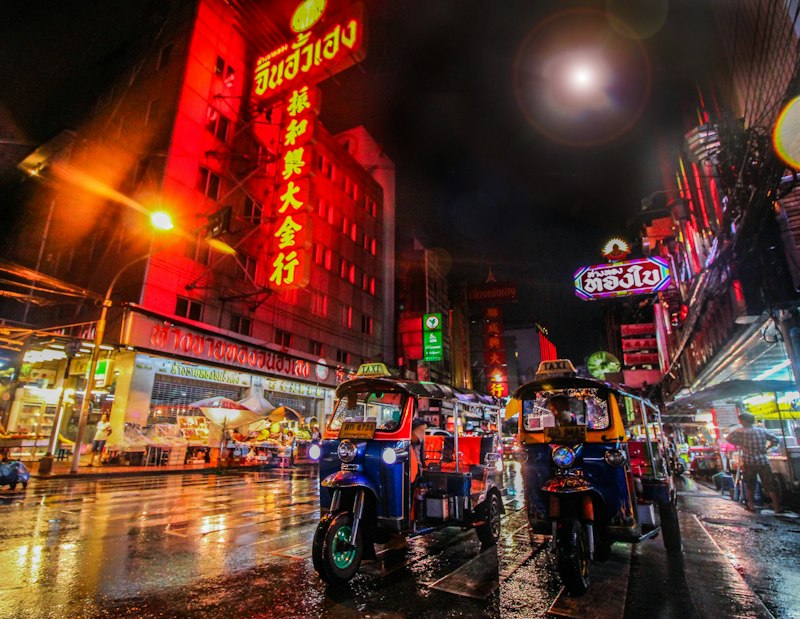


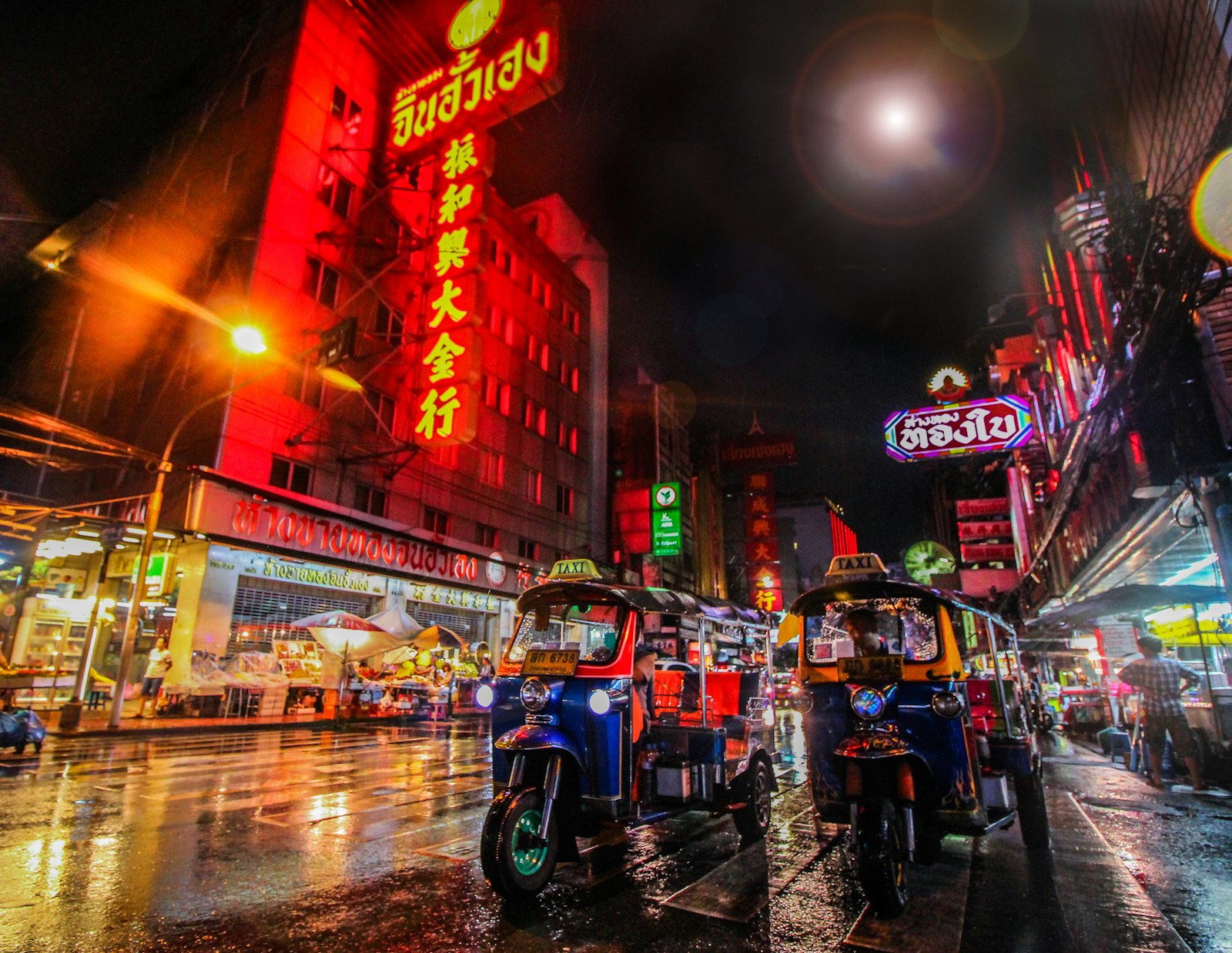
Bangkok is a city that never sleeps, never stops moving, never stops surprising you. Neon-lit skyscrapers right next to golden temples, the world's best pad thai at a street stall, every adventure starting with a tuk-tuk's honk. Chaos here is order itself.
Golden temples in the shadow of skyscrapers
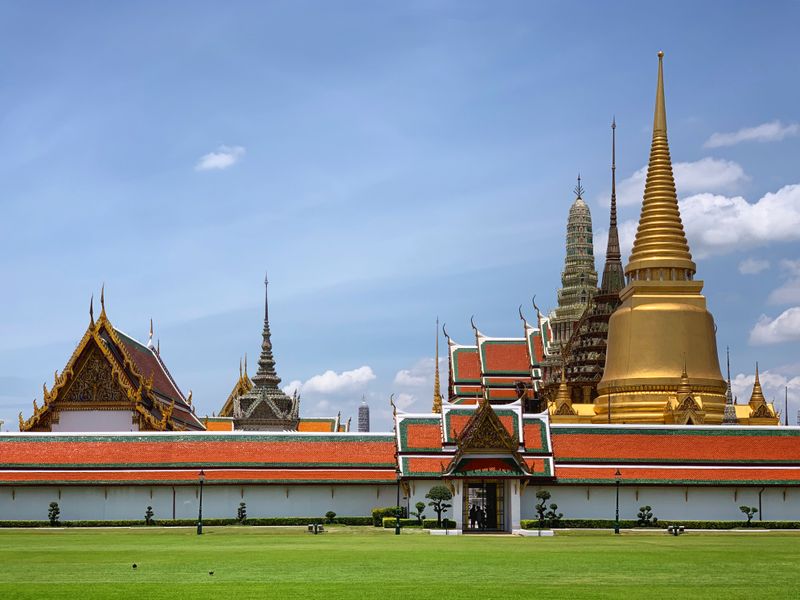
You hold your breath before Wat Phra Kaew's Emerald Buddha, feel the 46-meter peace of Wat Pho's Reclining Buddha, watch Wat Arun's mother-of-pearl mosaics shimmer at dawn.
But Bangkok is not just temples. Chatuchak's 15,000-stall weekend market, Jim Thompson House's silk collection, Chinatown's gold shops on Yaowarat Road. Every neighborhood is a separate universe.
World capital of street food
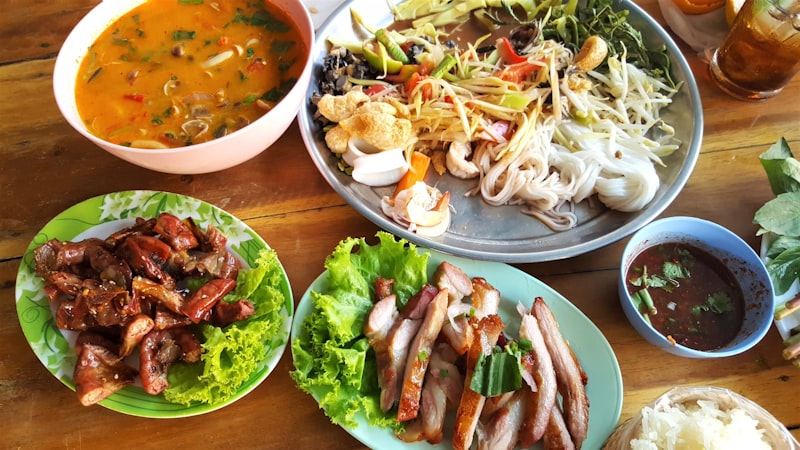
In Bangkok, a street stall can earn a Michelin star, and one did. Jay Fai's crab omelet, her legendary pad thai. But the real magic is at nameless stalls, in som tam emerging from a wok's flame, in mango sticky rice's coconut milk.
Yaowarat turns into a long open buffet at night. Oysters, satay, pad see ew, steaming tom yum. Going hungry in Bangkok is physically impossible.
Neighborhoods and Where to Stay: A Bangkok for Every Traveler
Bangkok's character changes dramatically depending on which neighborhood you choose. Sukhumvit is modern hotels, nightlife epicenter, and the first choice for international travelers with a wide budget range and vibrant social scene. Silom offers upscale bars, lounges, and a more sophisticated atmosphere. The Khaosan Road area remains the classic backpacker hub with budget accommodations and a young traveler community. Old Bangkok districts near Lumphini Park, closer to local life, small cafes, and authentic experiences suit those seeking genuine encounters. Chinatown (Yaowarat) pulses with night markets and restaurant-lined alleys, offering an intoxicating street-level energy.
Practical Itinerary: Discovering Bangkok in 3-5 Days
On day one, visit the Grand Palace and Wat Phra Kaew early before crowds arrive. In the afternoon, take a Chao Phraya River boat tour to see temple silhouettes. Day two, head to floating markets (Damnoen Saduak or closer alternatives) for early-morning boat rides observing local life, then witness sunrise exercises at Lumphini Park. Day three, stay in the city exploring lesser-known temples, museums, and art galleries like Wat Saket. Every evening, visit street food markets sampling Northeast-influenced flavors. Days four and five, if energy remains, explore Sukhumvit's glittering shops or deepen your Lumphini neighborhood experience with locals.
Food Culture, Budget, and Practical Tips
Bangkok's cuisine is found on the streets. Pad Thai, Tom Yum, satay, mango sticky rice, countless noodle variants become familiar without formal guidance. Street stalls cost EUR 1-3 per meal, restaurants EUR 5-15. The EUR 75 daily budget allows comfortable living. Water, suddenly, reveals sweet and spicy flavors you'll learn to distinguish. Don't bike (heavy traffic), use songthaew (local minibuses) or metro-BTS instead. Bank cards are safe but small places expect cash. November-March brings hot but dry weather, ideal season. Drinking plenty of water, using sunscreen, and avoiding noon-3pm activities are wise moves.
Bangkok travel FAQ
When is the best time to visit Bangkok?
The best months to visit Bangkok are Nov-Mar.
Do I need a visa for Bangkok?
Visa status for Bangkok (Thailand): Visa-free.
How long is the flight to Bangkok?
The flight from Istanbul to Bangkok takes about 10.5 hours.
What is the nightly budget for Bangkok?
Nightly accommodation in Bangkok is around €50-100 (Affordable).
Tours and activities
Where to stay
Real prices and availability in Bangkok neighborhoods, book directly.
How you get there
Default origin: Istanbul. Change in profile.